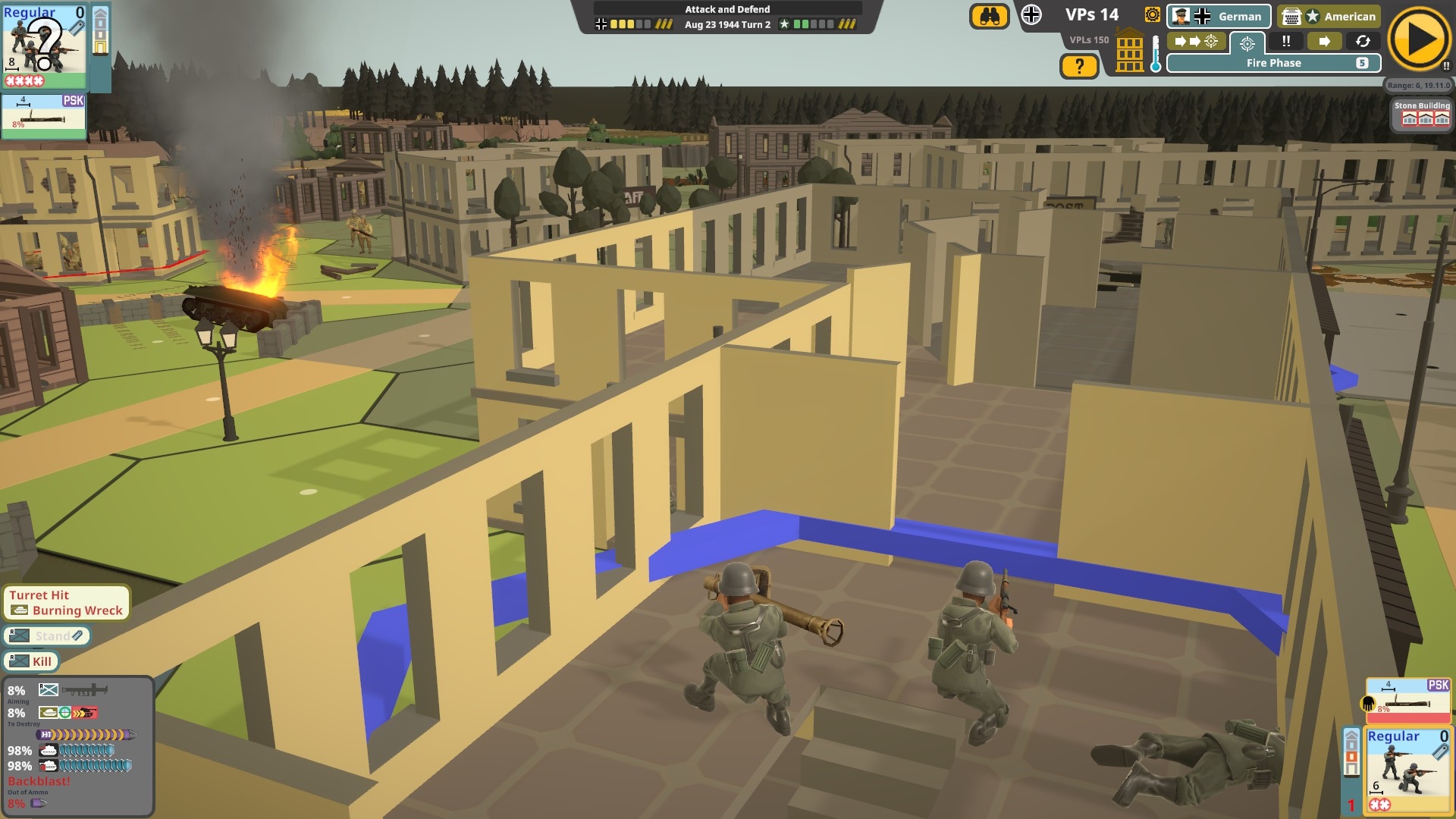
As I’ve done it hundreds of times, you’ve probably done it hundreds of times too. You’re embroiled in a virtual battle and, faced by a particularly stiff challenge or tough adversary, find yourself scouring your force for ‘old hands’ – the units with the most experience. Experience = skill and resilience, right? The more action a unit has seen, the more effective it is in combat. Computer wargame designers rarely seem to challenge or nuance this ‘truth’. Perhaps they should.
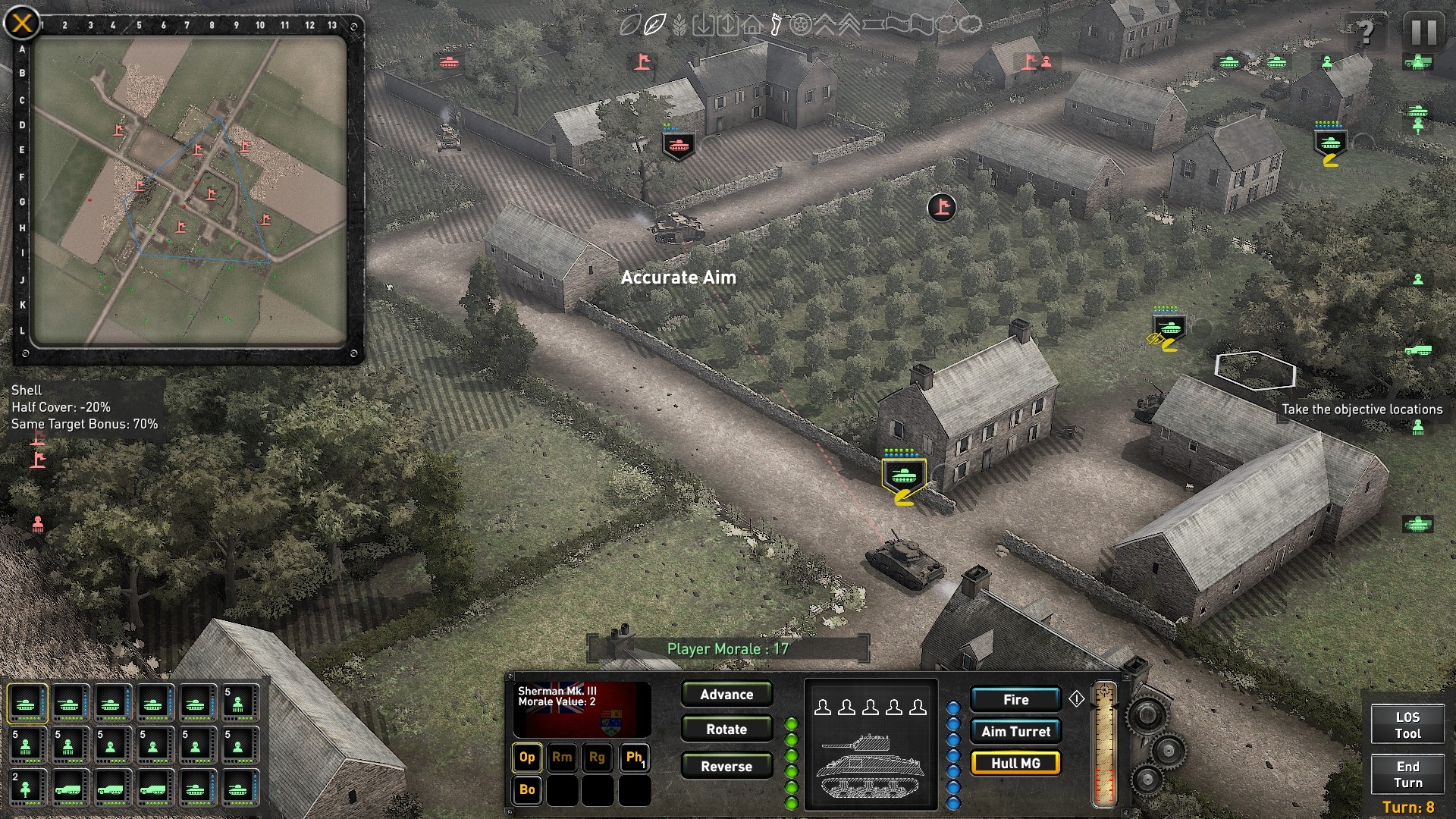
You don’t have to read many military memoirs to find passages that undermine the common ‘more experience = more effective’ assumption. If you’re a subscriber to the idea that most humans have a finite reservoir of courage and composure, a reservoir that is drained by exposure to the dangers and horror of war, and is impossible or almost impossible to refill, then a veteran unit is, inevitably, a unit populated and, possibly, linchpinned by frazzled and fragile individuals.
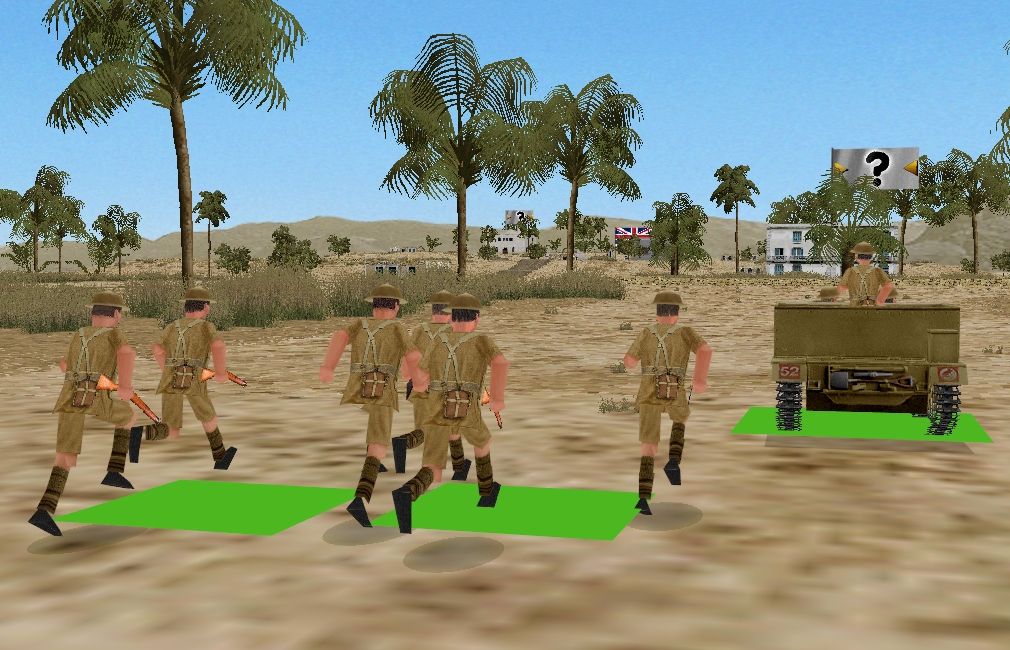
In real war, martial experience can spawn reluctance as well as competence. Understandably, warriors, especially conscripted ones, who have diced with death on numerous occasions in the past, may feel ‘We’ve done our bit. Someone else should stick their neck out this time’. Ironically, what green units lack in aggro acumen, they can sometimes make up for in naive enthusiasm.
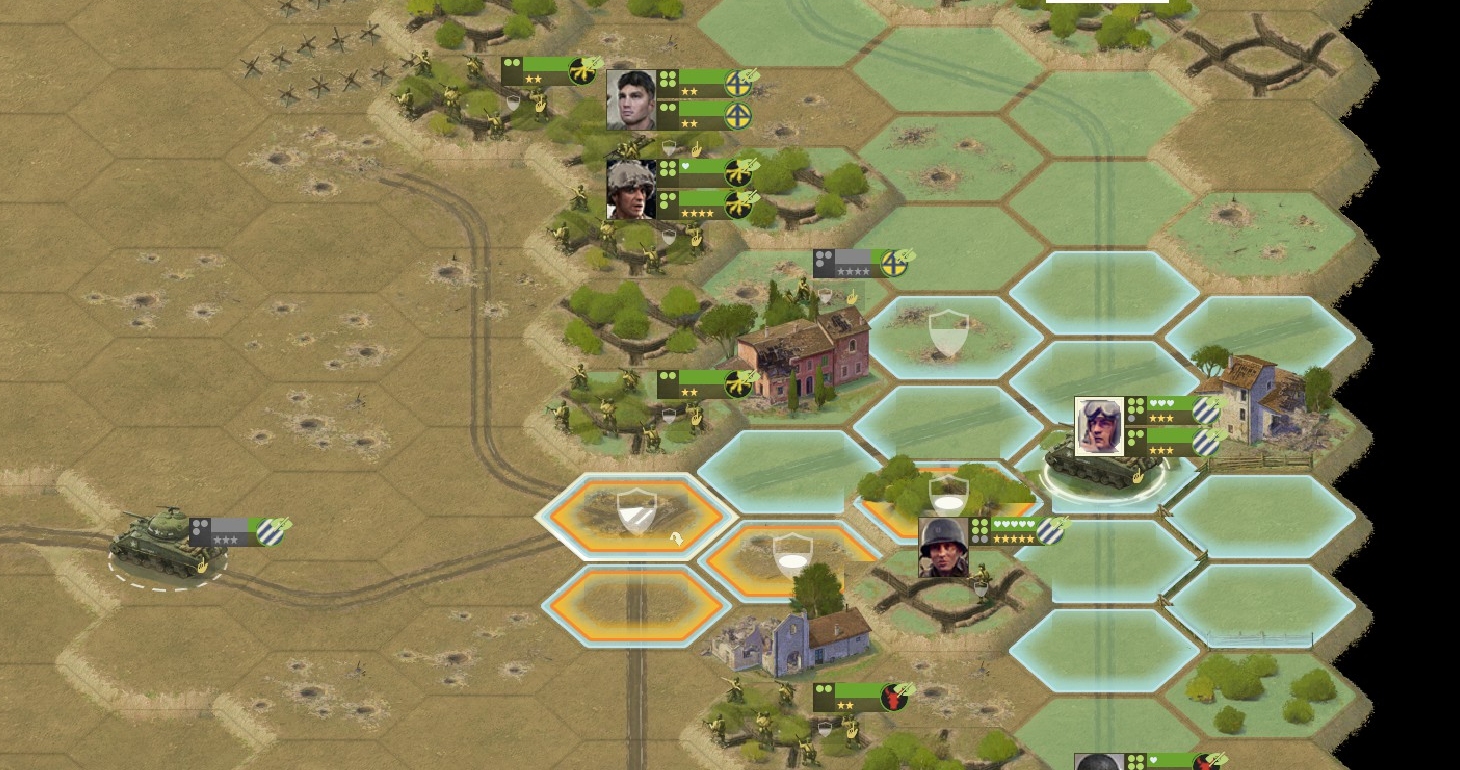
With the odd exception, digital wargames seldom put us in situations where selecting a veteran unit increases the risk of a modified or ignored order, of slower progress, even outright mutiny. We’ve grown accustomed to regarding ‘experience’ as an unqualified positive when, arguably, its actually a double-edged sword. Cornerites, can you think of any wargames with novel takes on unit experience, and would you be interested in playing a title that tackled the subject a little differently?
I’m curious how a mechanic like this might work alongside the more short term fatigue and morale. Perhaps as some kind of trait there’s a risk of getting via fatigue/morale thresholds?
Not a wargame exactly, but Darkest Dungeon has this kind of mechanism whereby your adventurers simulataneously get better and worse as they gain experience but also trauma. I’d also be interested if anyone knew of any work that dealt with this over different time periods. Do the same processes play out in both the Medieval and WWII despite the different nature of warfare? Do periods in which there is a ‘campaigning season’ result in different patterns, when most people get the winter at home to recover?
It’s not comparative, but this paper argues that ancient Assyrians were the first to write down the symptoms associated with what we’d term PTSD:
https://www.scribd.com/document/719404088/AbdulHamid-NothingNewSun-2014
Seemingly, they blamed it on the spirits of slain enemies.
Apparently the men in military service would go through three yearly rotations:
Year 1 – working on civil engineering projects to toughen them up
Year 2 – actual warring
Year 3 – back home with families
Excellent, thanks!
It’s a board game, but Kingdom Death Monster includes two mechanics like this. First, you have to retire your characters after they’ve gone on a certain number of hunts, so 5eir veterancy limits their use. But the more interesting mechanic is a trait called sanity. As your character experiences the horrors of the game world, they collect brain damage and can go insane if it drops below zero. After that, you can still play the character, but their behaviors change and certain new actions which can only be undertaken while insane are unlocked.
This is an interesting nuance. I used to play some tabletop Napoleonic rules many years ago that made a clear distinction between Veteran and Elite units. Something like the Imperial Guard might be considered Elite because of their additional training and higher quality food and equipment, while a unit like the 7th Light Infantry may be Veteran. And there were differences in the way Elite v Veteran units played. In many cases knowing what to expect only makes things worse, but these units might also be better able to react to an unexpected circumstance like a cavalry attack rather than panic like a raw unit. It would be interesting to see this modeled in more digital wargames. For example, the HJ Division in Normandy may be more willing to throw themselves into the attack than Panzer Lehr because they’re Elite v Veteran. But a Veteran unit should be better able to use cover to conceal their approach.
Nope, I can’t. Wargames tend to get tactical psychology backwards in many respects, and veterancy is one. There is a very insightful passage in “War Games” by Leo Murray that describes how the British paras in the Falklands would start an engagement in great spirits, but as losses mounted, the loss of dear comrades or respected commanders would shake grizzled veterans. Who would then become very fond of hugging the ground, rather than running into Argentinian machine gun bullets.
On the other hand, veterans holding ground is another matter. Close-knit units have regularly withstood insane odds throughout history, unless their enemies were smart enough to convince them that, literally, resistance was futile and they would be treated fairly and honourably.
I totally agree to the spirit of the article as a player, and as a (trying to be) wargame developer.
But there is one major resistance to a game that would make more experienced troops maybe less efficient in combat : player’s reward. Experienced troops often means that player had to play well to keep them alive, and players want a reward in exchange of this. On the contrary, if players are punished, they will not be happy.
So it’s interesting, and not undoable, but this mechanic should be carefully explained to the player, and mixed with “classic” mechanics that make experienced troops better than novice ones.