
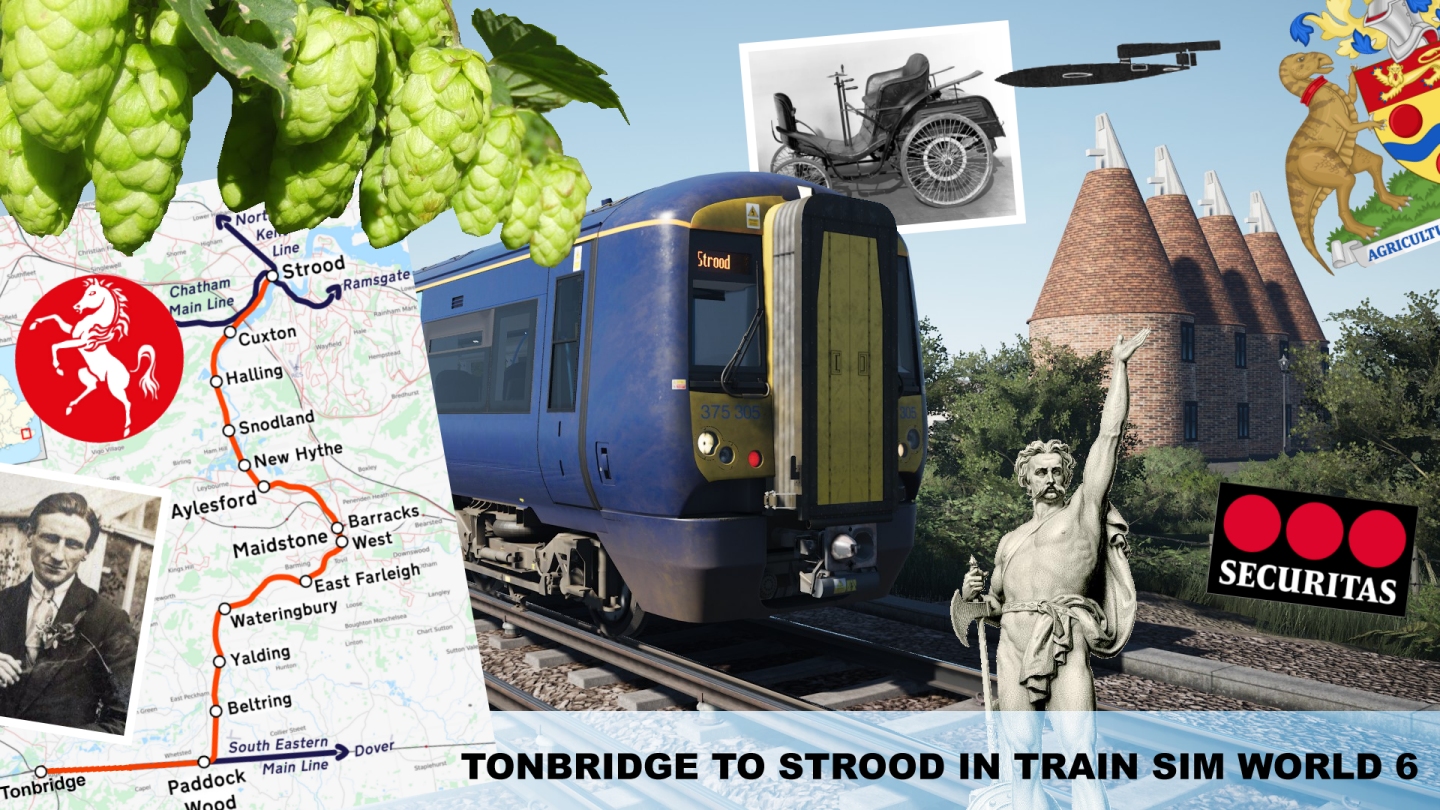
After those unfortunate events in the St. Gotthard Pass and the so-called ‘River of Tears’ incident in Calabria, I thought it wise to mothball Tally-Ho Corner Tours for a spell. Now the press has found new whipping boys, and memories of frostbitten children and handcuffed gondoliers seem to be fading, I feel it’s safe to recommence operations. For the first post-hiatus trip I’ve chosen a TSW6 rail journey in the southeast corner of England. Quietly humming to itself on the other side of the jump is a three-car Class 375 ‘Electrostar’. Hop aboard if you fancy a fact-filled trundle from Tonbridge to Strood.
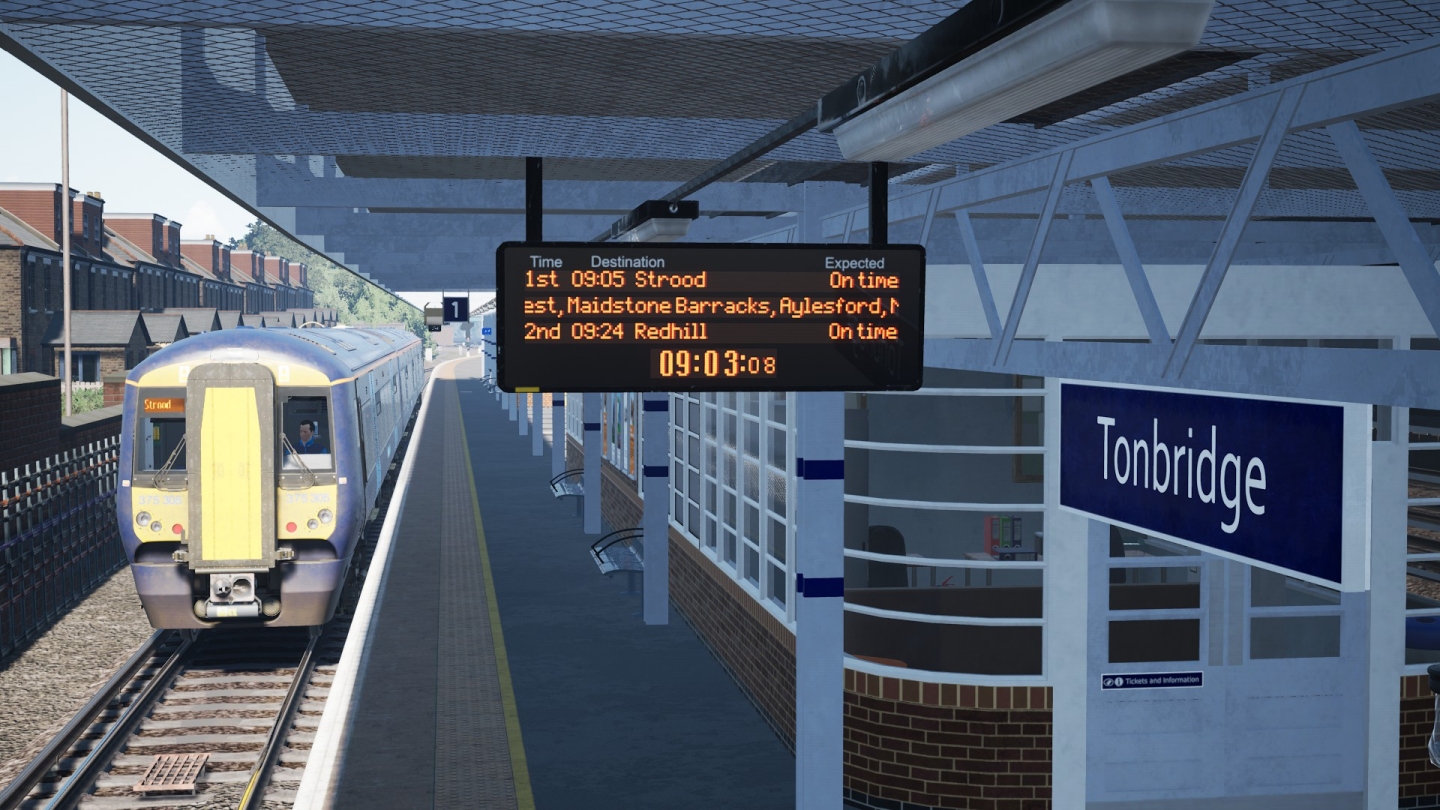
While we wait for a green signal, feel free to tuck into the complimentary snacks and drinks. Gypsy tarts and bottles of Bishop’s Finger seemed appropriate.
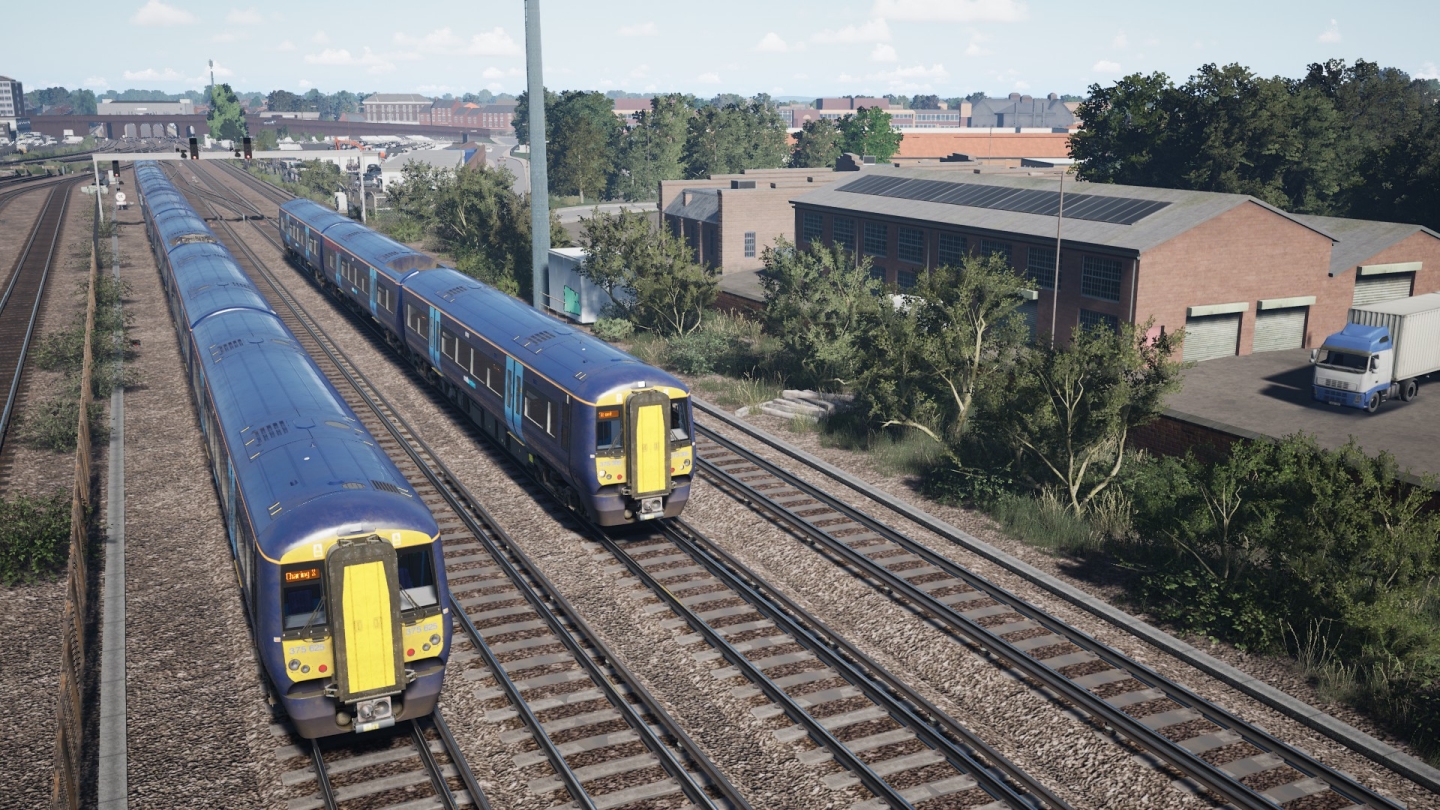
Less than 500 metres from the eastern end of Tonbridge Station, quickening 375 305 passes the first point of interest on today’s itinerary. That workaday warehouse on our left is a Securitas depot. In February 2006 it was the scene of Britain’s biggest ever cash heist. The gang that tricked their way inside with the help of a kidnapped employee got away with around fifty-three million quid in used banknotes. The haul could have been four times larger if the crooks had brought additional lorries with them.
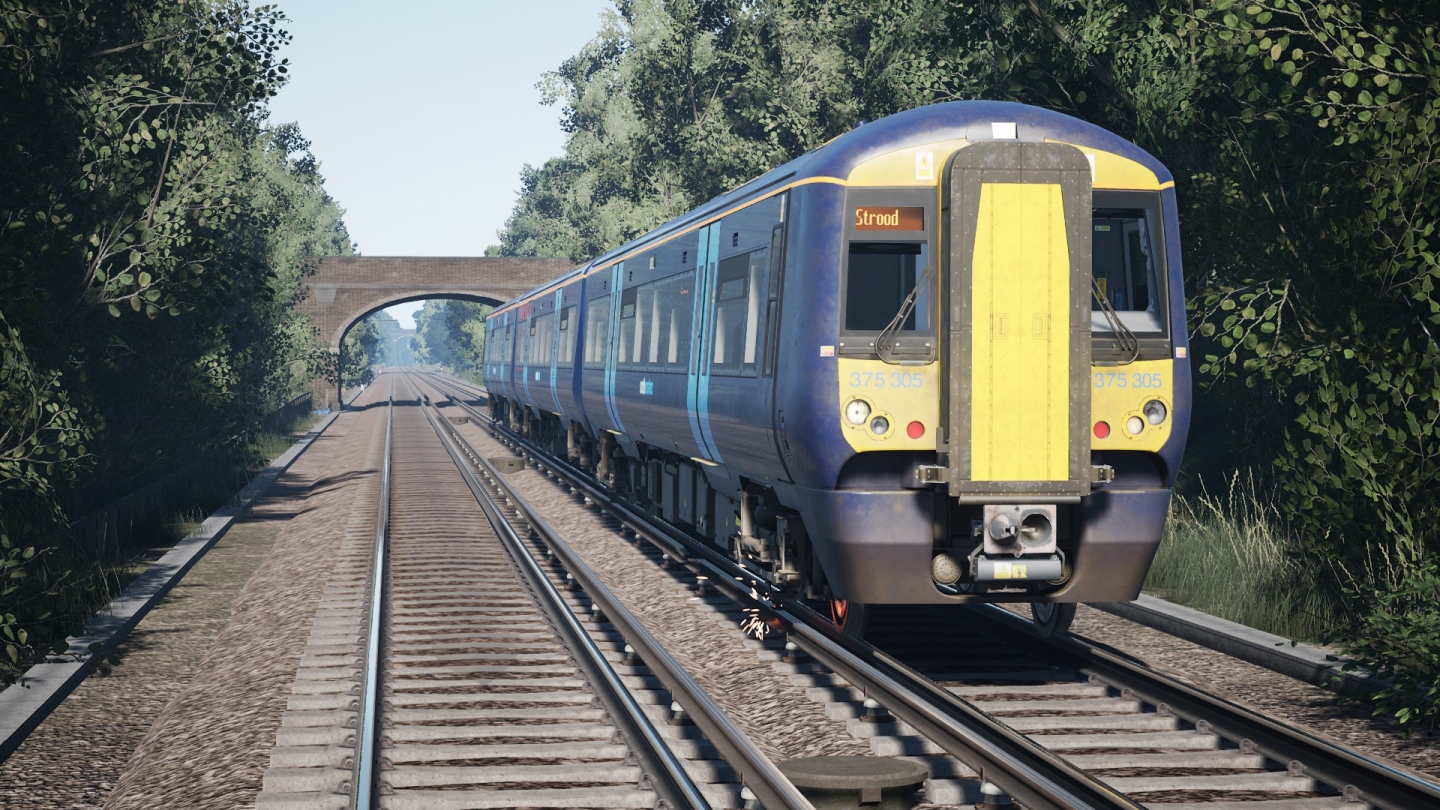
Tudeley, the tiny rail-adjacent hamlet visible but for this tree-lined cutting, is home to treasure beyond price. All Saints, its modest church, sports twelve stained glass windows by famous artist Marc Chagall. Initially Chagall only intended to provide a single window for the stubby place-of-worship. However after visiting for the first time, he’s said to have exclaimed “C’est magnifique! Je les ferai tous!” (“It’s magnificent! I will do them all!”).
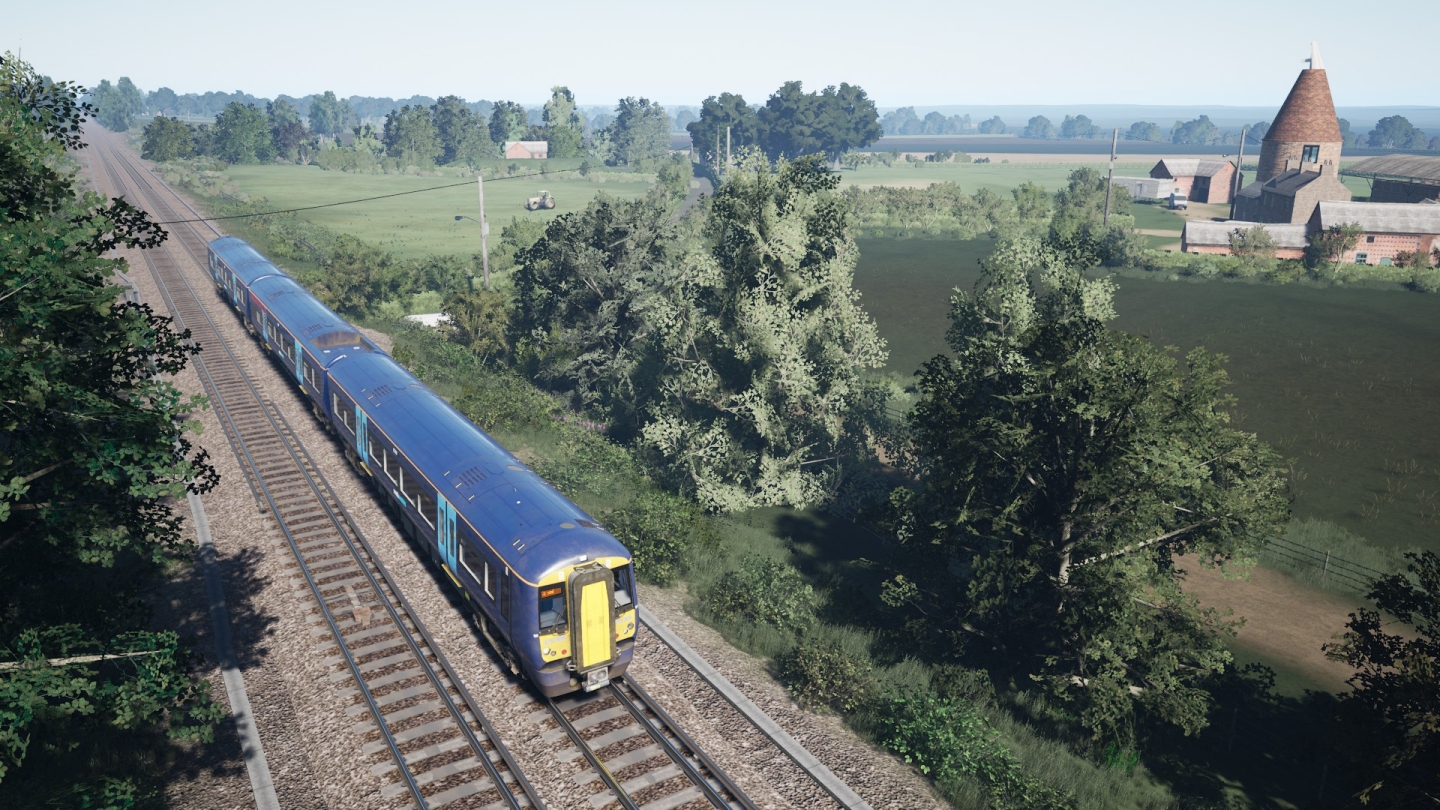
Shortly after emerging from the cutting, the South Eastern Main Line passes two quintessentially Kentish farms. The round buildings with the tiled Phrygian caps are oast houses. Now mostly converted into abodes, these distinctive structures are ubiquitous hereabouts and were, until relatively recently, a key part of the county’s economy. When most of the fields in this area were devoted to hop cultivation, the resulting harvest would have been dried on the upper floors of heated landmarks like these.
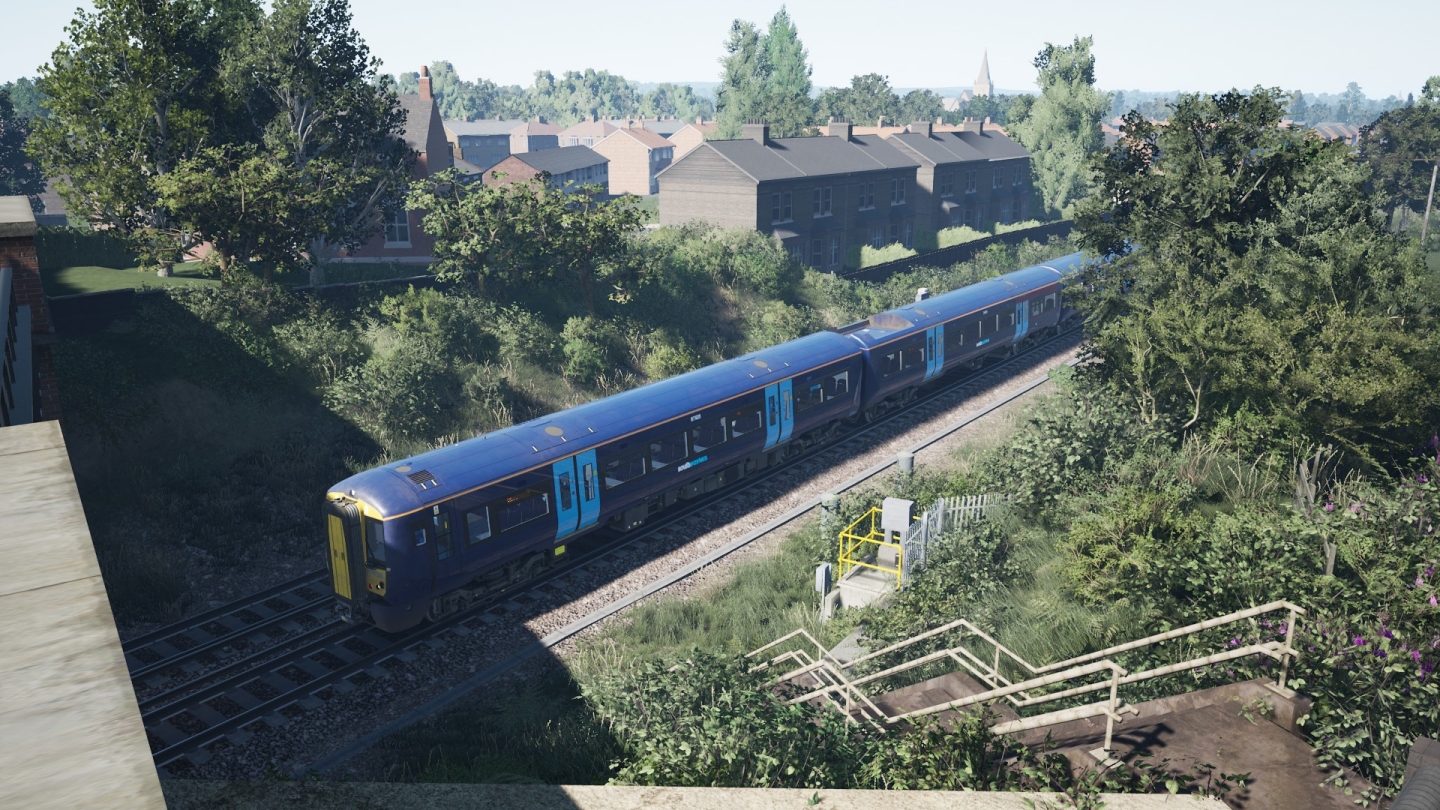
Perfect soil and climate, and nearby sources of poles and charcoal, made the land around Five Oak Green – the village we’re skirting at present – ideal for hop growing. During the late Victorian era and first half of the Twentieth Century, every September, hundreds of thousands of Londoners would descend on this part of the world for a few weeks to pick hops. For the working class men, women, and children that travelled down from The Smoke to toil in the ‘gardens’ these trips were often the closest thing they got to a holiday. Special trains were laid on and, sometimes, special facilities provided.
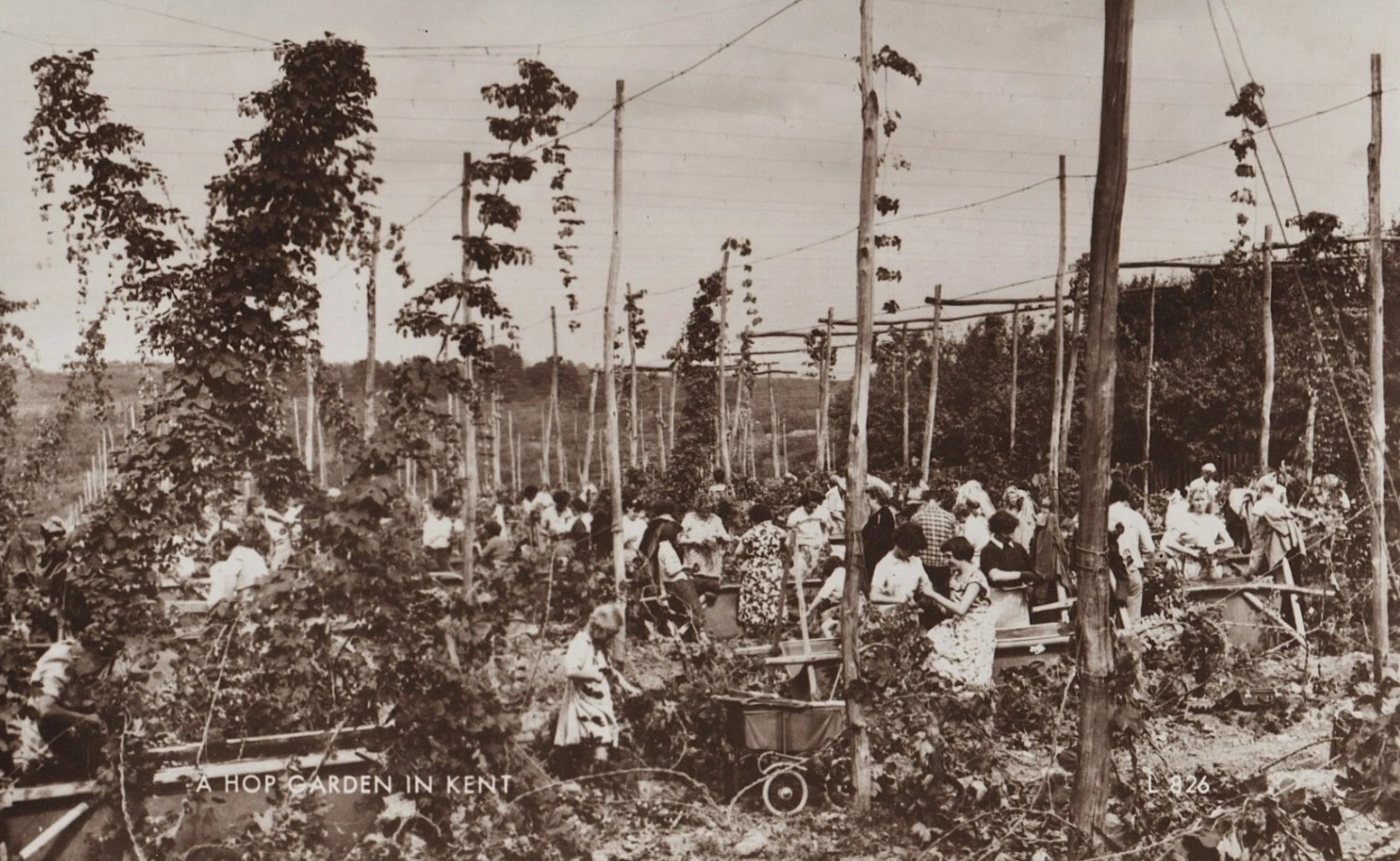
Ada, the much missed lady whose legacy helped buy Tally-Ho Corner’s current PC, was one of the many Londoners who went ‘hopping’ in the days before mechanisation and imported hops brought an end to the annual migrations.
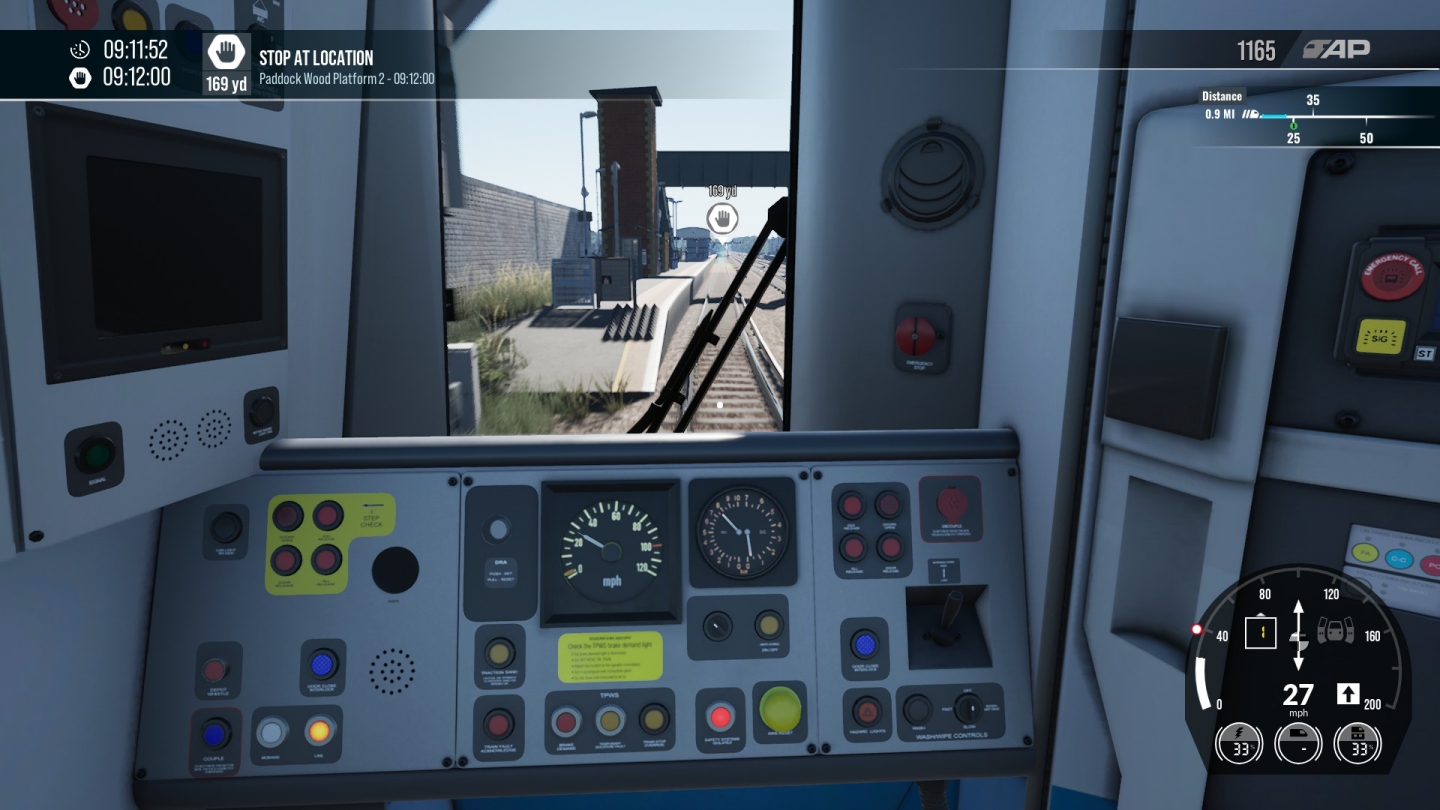
Roman is now braking in readiness for the stop at Paddock Wood, the village where Britain’s very first speeding ticket was issued.
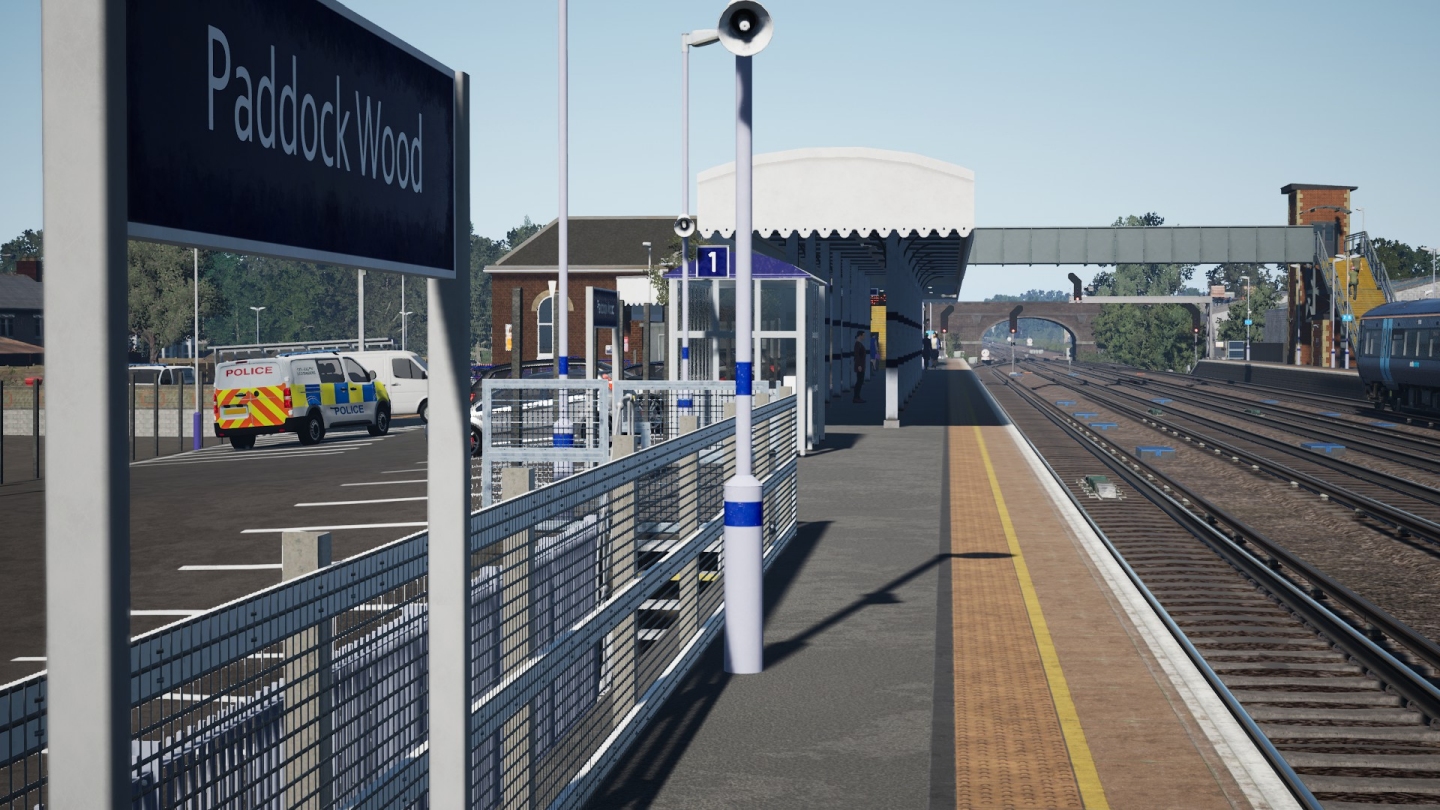
On January 28th, 1896, a bicycle-equipped policeman caught local hell-raiser Walter Arnold driving a new-fangled horseless carriage down the high street at four times the speed limit. As the limit in question was only two mph, the bobby probably didn’t need his bike to apprehend the motorist.
Apologies for the slight delay in leaving Paddock Wood, ladies and gentlemen. It appears we’ve got a misbehaving door somewhere on the train. I’d forgotten TSW6 introduced random faults.
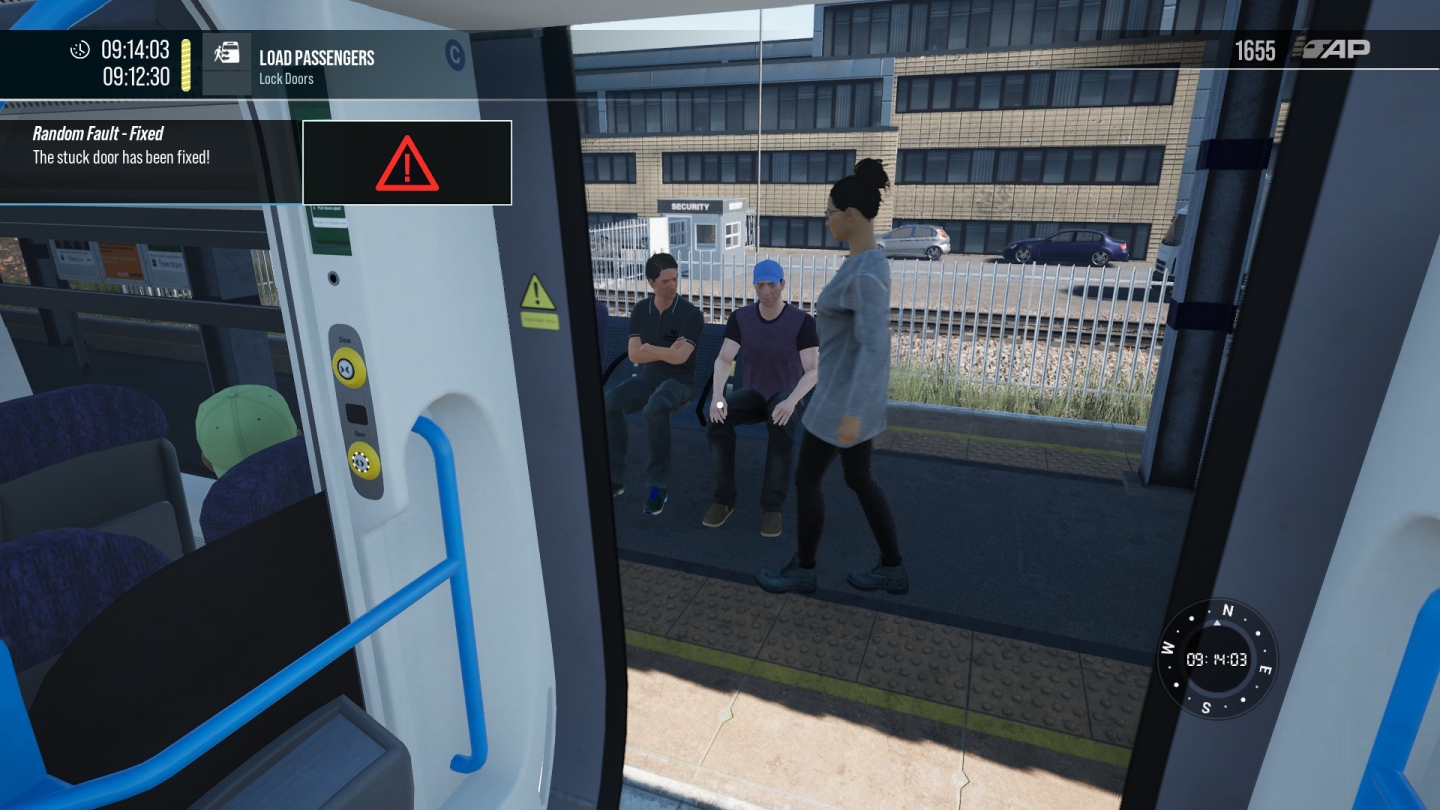
Found and fixed! We’re good to go, Roman.
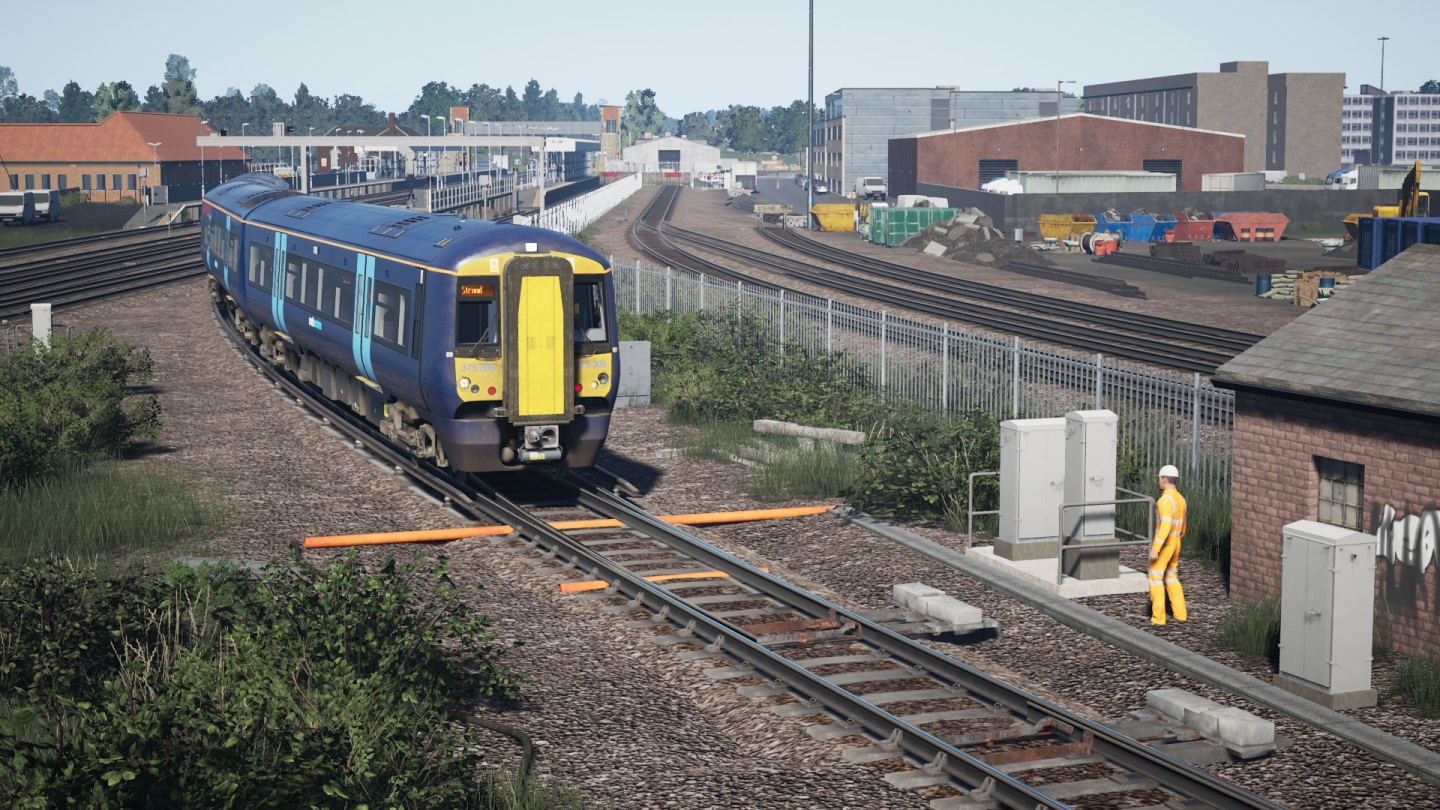
From here on we’ll be travelling northward on the Medway Valley Line, a predominantly double-track line that accompanies the River Medway as it wends towards the Thames Estuary.
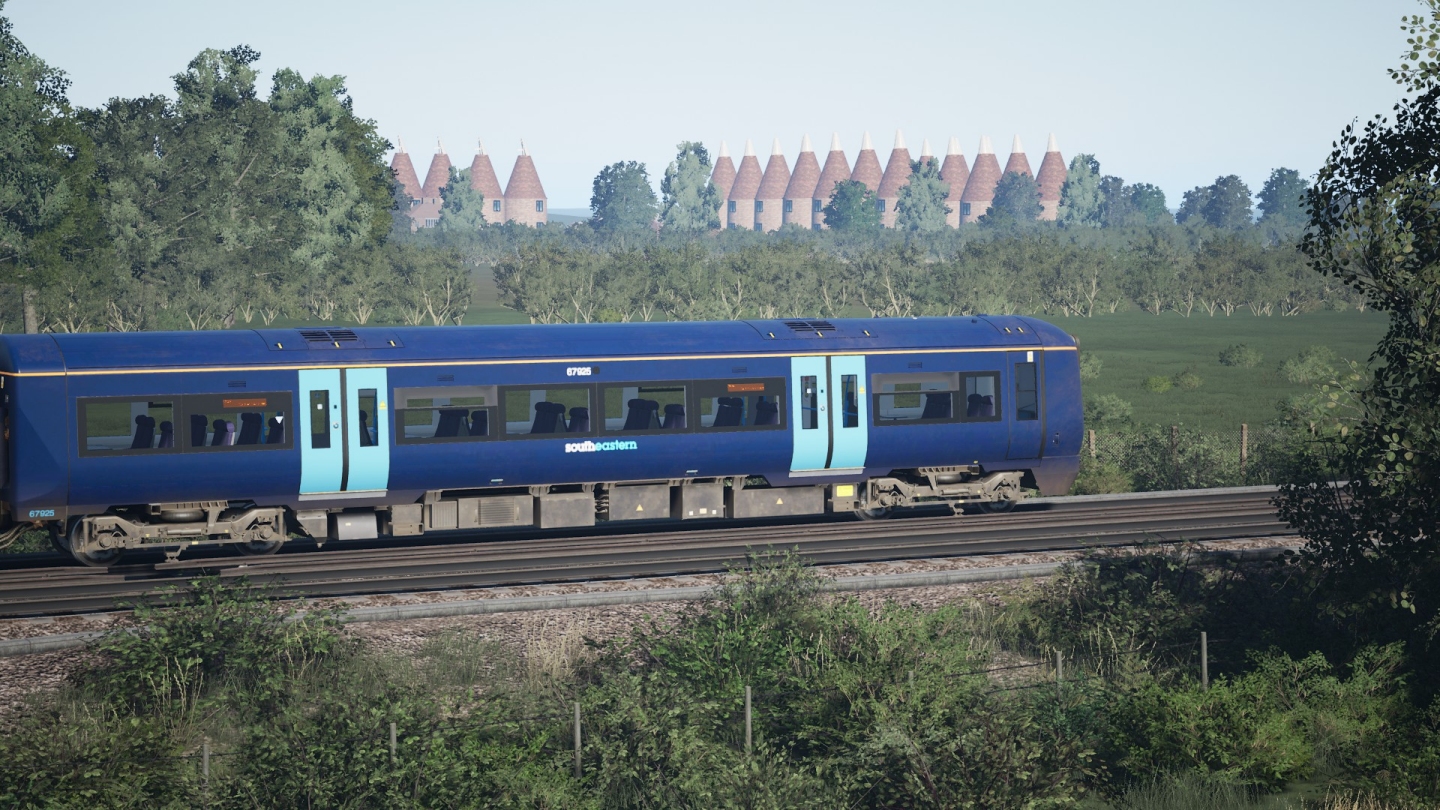
The oast houses in this neck-of-the-woods are thick on the ground and sometimes gregarious. That record-breaking throng on the left belong to Beltring Hop Farm, for many years the venue of the UK’s premier military vehicle and militaria event. My one visit to a War and Peace Show was circa 2011 and was funded, if I remember correctly, by PC Gamer magazine. After previewing a new WW2 RTS in a stuffy army tent, I asked if I could explore the Sherman tank the publishers had brought along. While the name of the game escapes me, the experience of clambering over that sun-heated steel giant remains vivid.
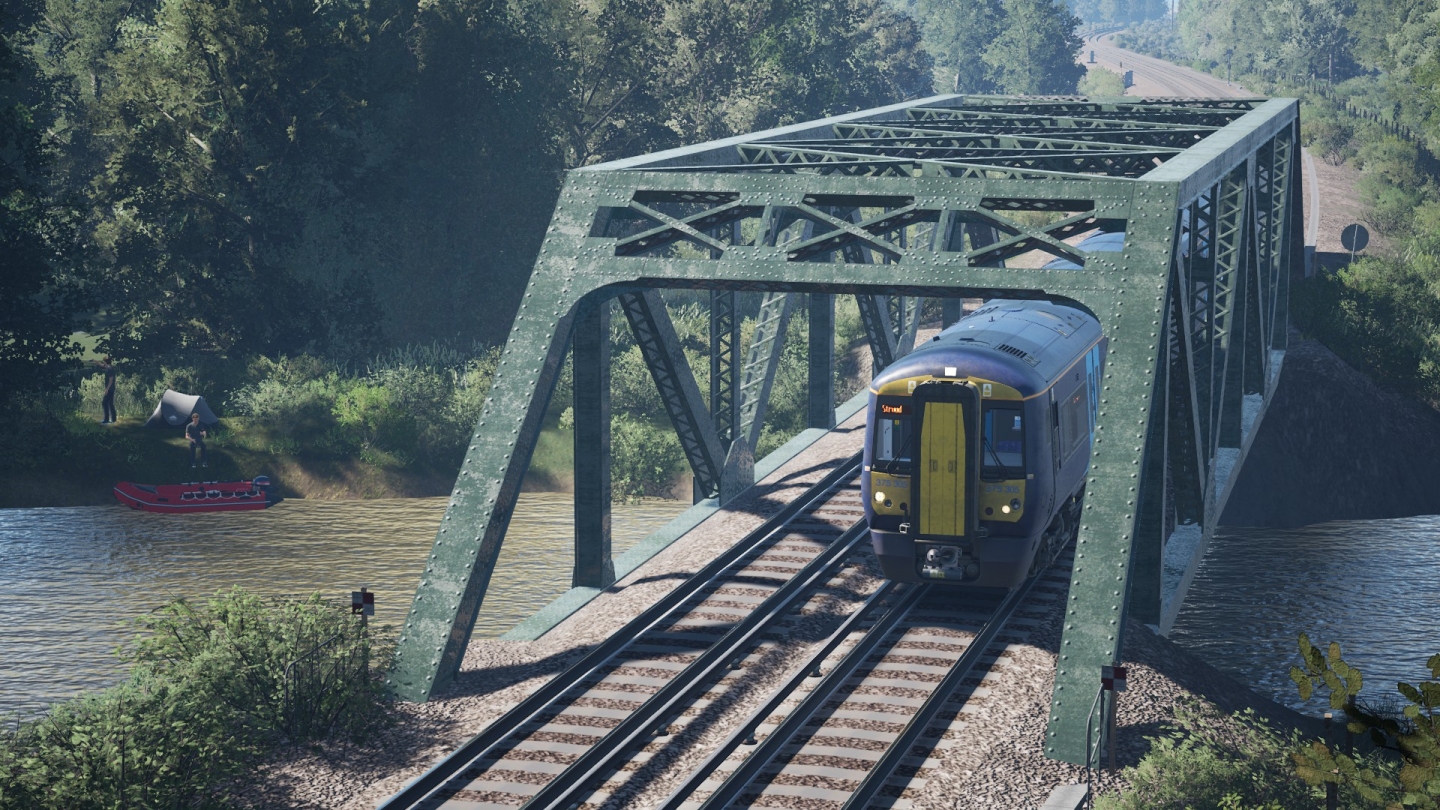
That angler down there reminds me that my favourite piscine poem was penned by a native of these parts. Ted Hughes’ paean to the pike is, of course, brilliant, but personally I prefer Edmund Blunden’s evocation of Esox lucius.
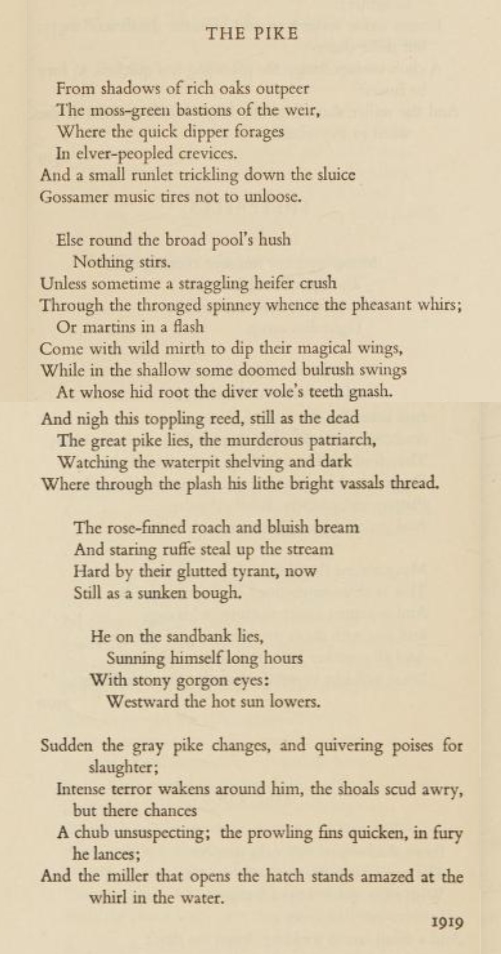
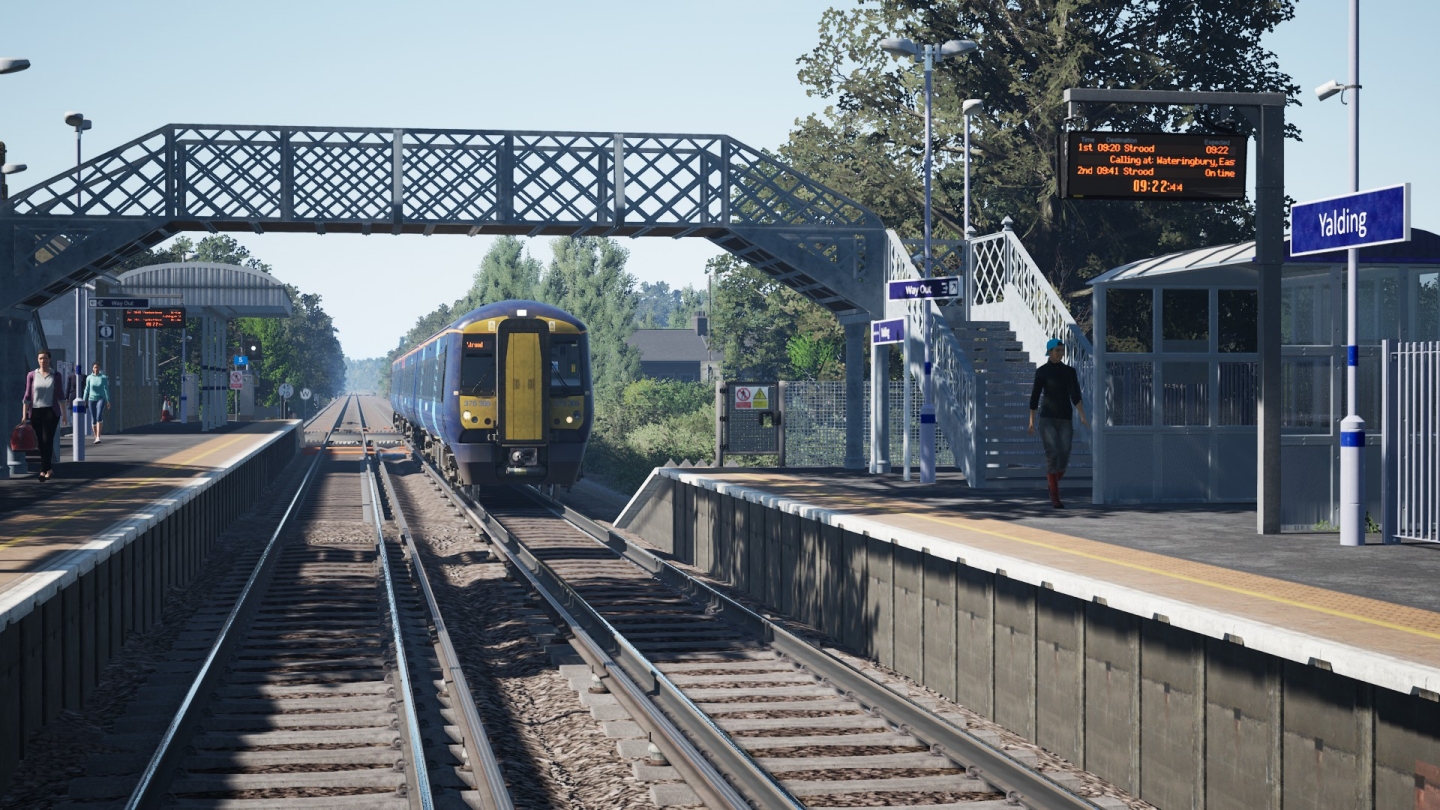
Blunden, one of England’s finest pastoral poets, grew up in the village served by our next stop in the early years of the Twentieth Century. It was in fields, woods, and lanes around Yalding that he discovered his love for the natural world and the people, places, and ways of rural England. Inevitably, his war poetry (Blunden somehow managed to survive the Somme, the Third Battle of Ypres, and the start of the Passchendaele offensive) often bears testament to that love.
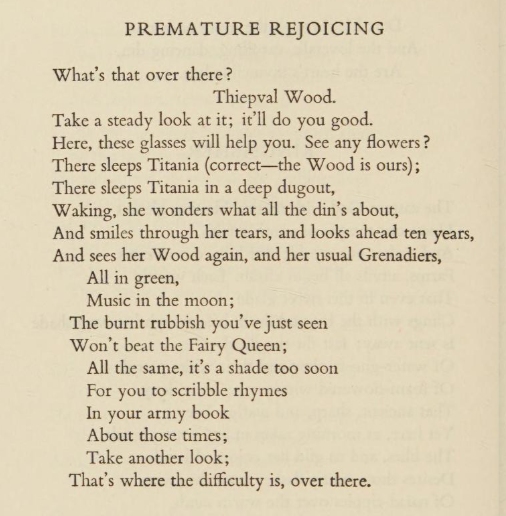
Talking of conflict, in the Medway Valley you’re never that far from the crash site of a WW2 plane or ‘doodlebug’ flying bomb.
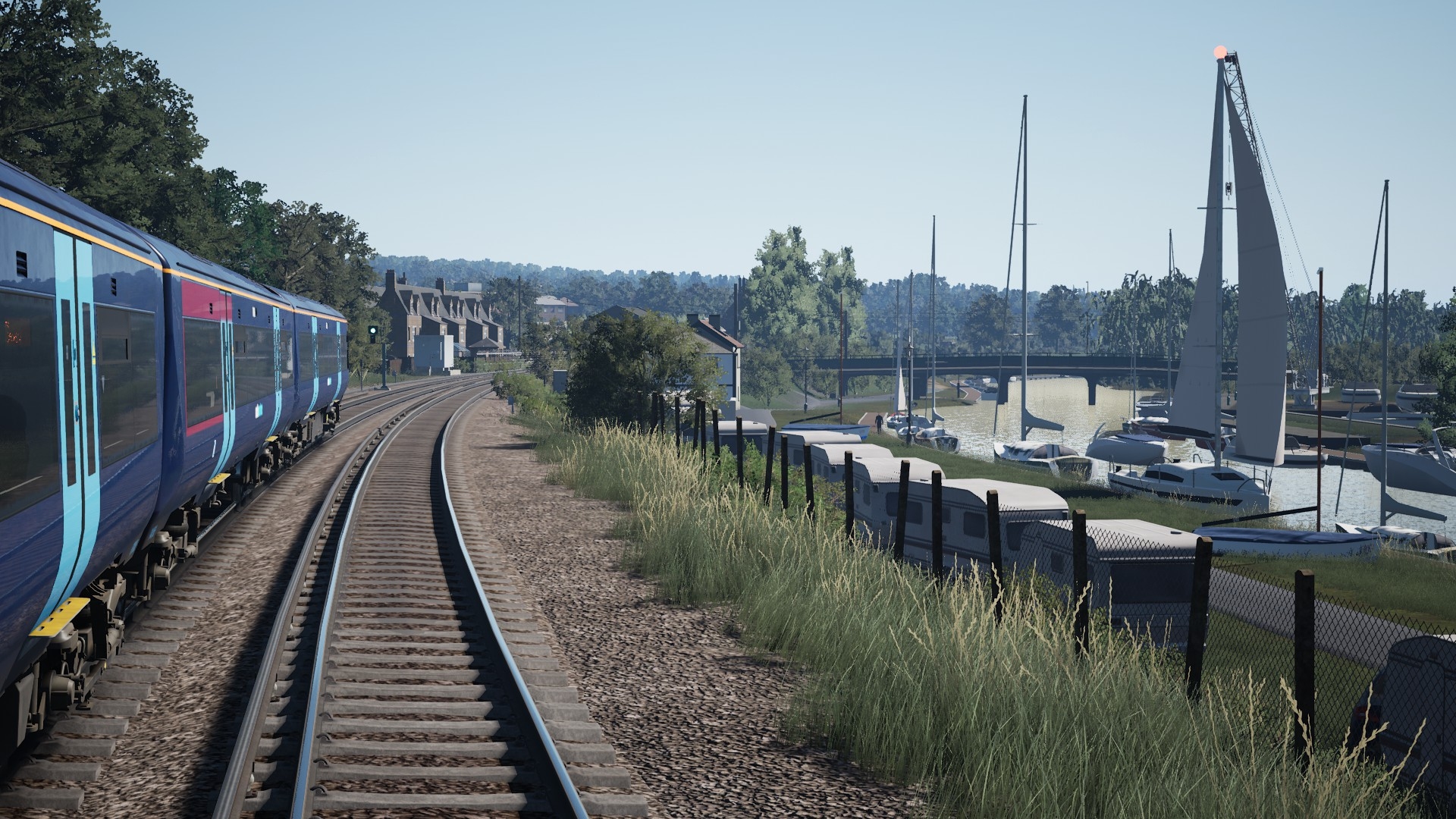
Residents of villages like Wateringbury had ringside seats for the Battle of Britain (RAF West Malling lies roughly one and a half miles to the NW) and, four years later, endured around four months of hell during the V-1 blitz. The British response to the ‘diver’ onslaught included the deployment of light AA batteries to villages such as this one.
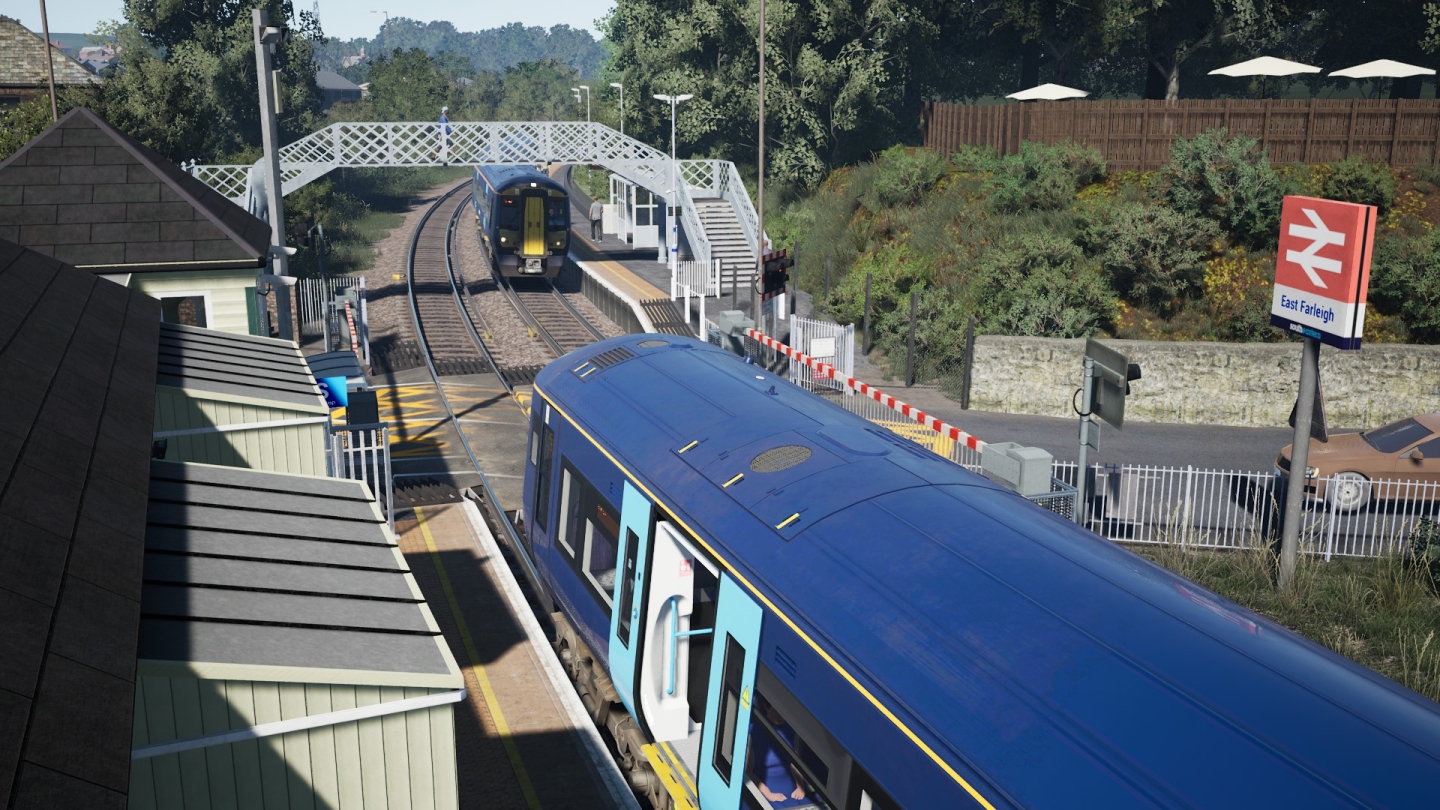
For the remainder of our journey the railway is never that far from the meandering Medway, or from seams of a durable local limestone known as Kentish ragstone. Much of Roman Londonium was built from Kentish rag quarried in the vicinity of East and West Farleigh and nearby Tovil, then shipped north on river barges. The builders of monumental medieval structures also loved the stuff. Prodigious quantities ended up in Westminster Abbey, the Tower of London, Old London Bridge, and the castles at Dover, Leeds, and Rochester. And it wasn’t just useful as a building material. In 1419 King Henry V ordered 7000 Kentish ragstone cannonballs for his campaign in France.
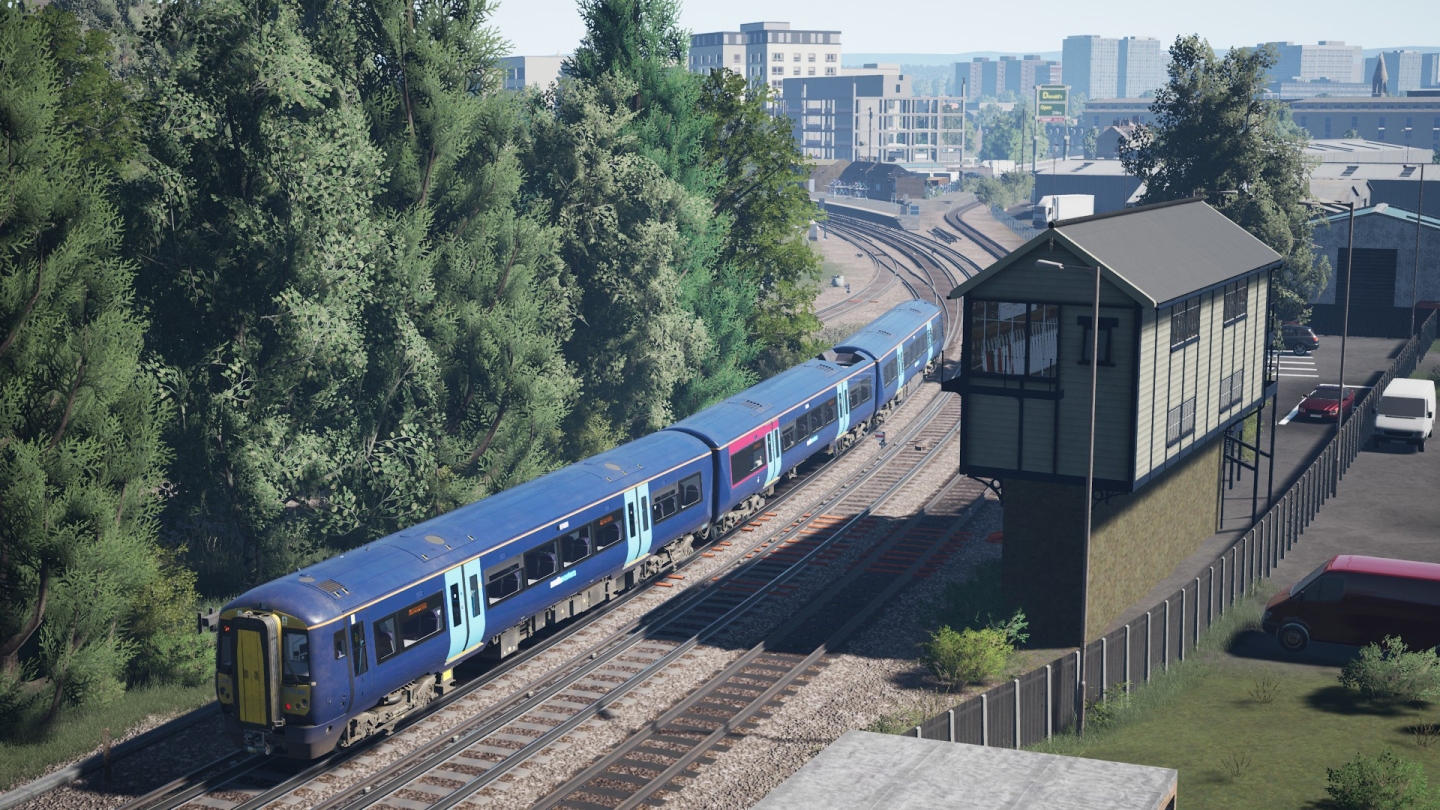
Today, the sole ragstone quarry still operating is on the western edge of the county town about to envelop us.
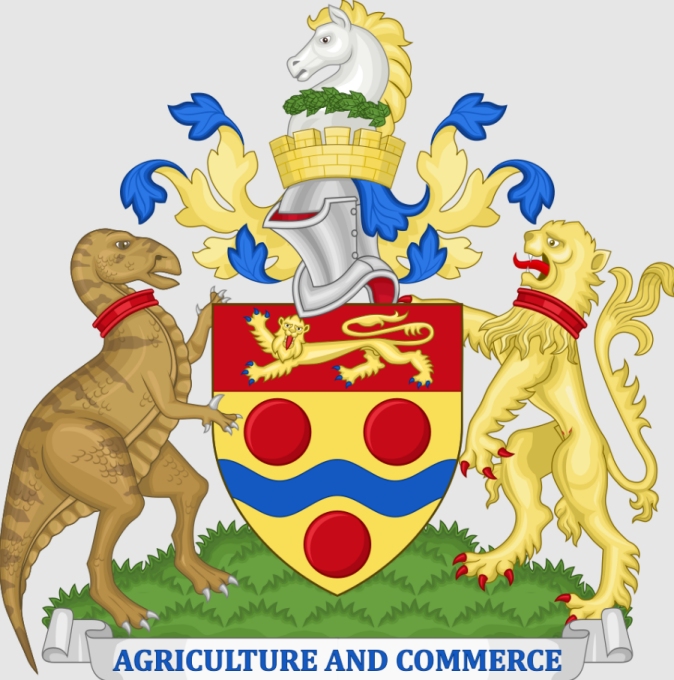
Maidstone’s eccentric coat of arms owes its most striking component to ragstone extraction. In 1834 local quarry owner William Benstead discovered a “remarkable substance” resembling petrified wood within a sundered boulder. Intrigued, he set to work with chisel and hammer, eventually exposing “portions of the skeleton of an extraordinary animal”. Before the discovery of the ‘Maidstone slab’ Iguanodon, the handful of amateur scientists working in the new field of dinosaur palaeontology only had one fairly complete non-avian fossil to study, an ankylosaur unearthed the previous year in Sussex.
Less than a minute after departing Maidstone West…
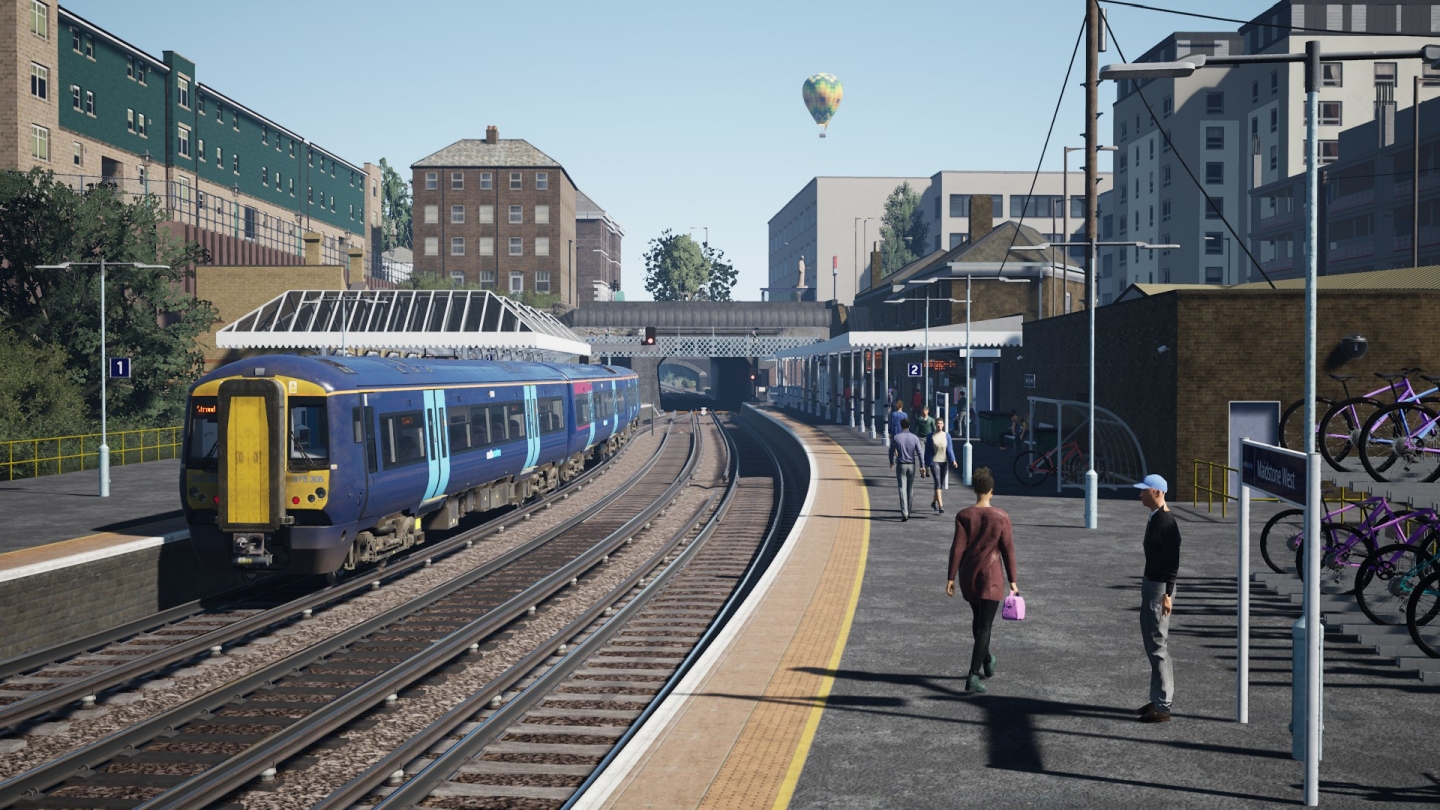
…Roman is slowing for our call at Maidstone Barracks.
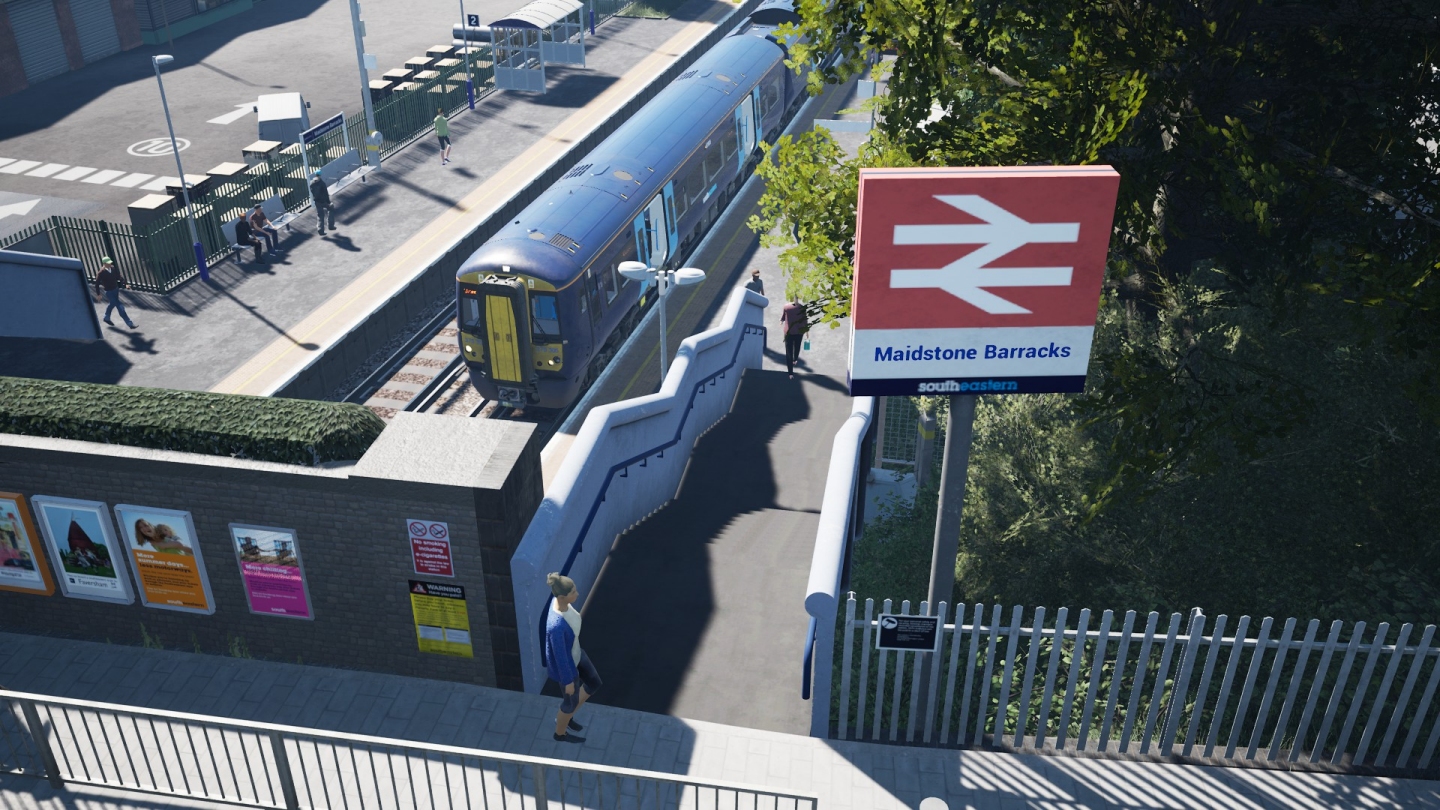
A response to invasion fears sparked by the French Revolution, the barracks that abut the line at this location was the reason Irish terrorists paid a visit to Maidstone in 1975. But for the eagle eyes and quick thinking of a young soldier called David Campbell, the September 25th bomb blast at the Hare & Hounds might have claimed as many lives as the ones that ripped apart the Mulberry Bush and Tavern in the Town in Birmingham, and the Horse & Groom in Guildford, in 1974. Fortunately, Campbell was a sapper who’d served in Northern Ireland so knew a suspicious package when he saw one.
(To be continued)
Thank you for the tour!