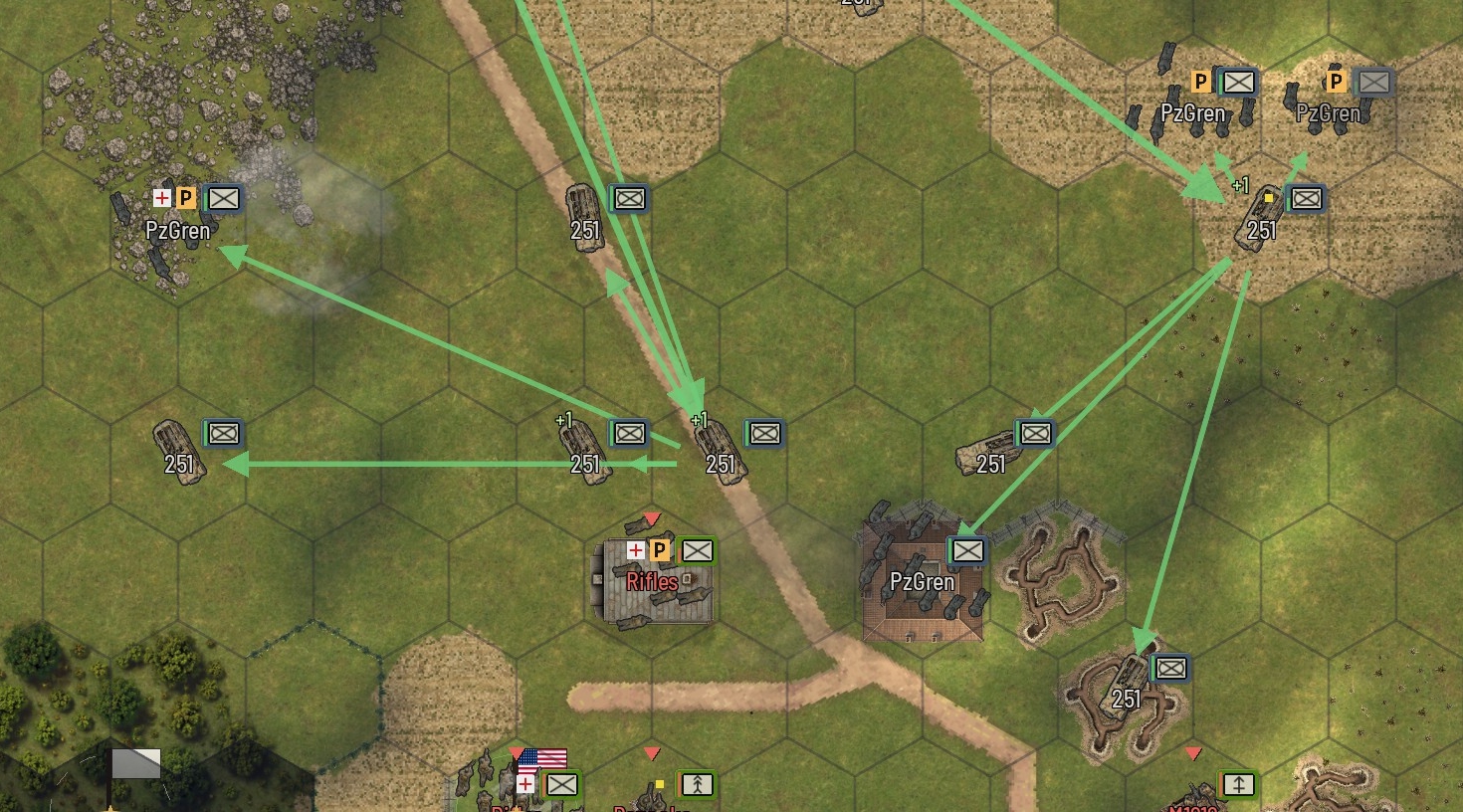
Inconspicuous unit sprites did the recent Steel Company demo no favours. Happily, Gyr Software have listened to the lamenters. In the latest preview build of their pantherine WW2 TBT, warriors and vehicles sport bold outlines and natty NATO symbol icons. Now that battlefields are easy to read, I’ve fought several scraps from start to finish, and realised SC has quality in spades.
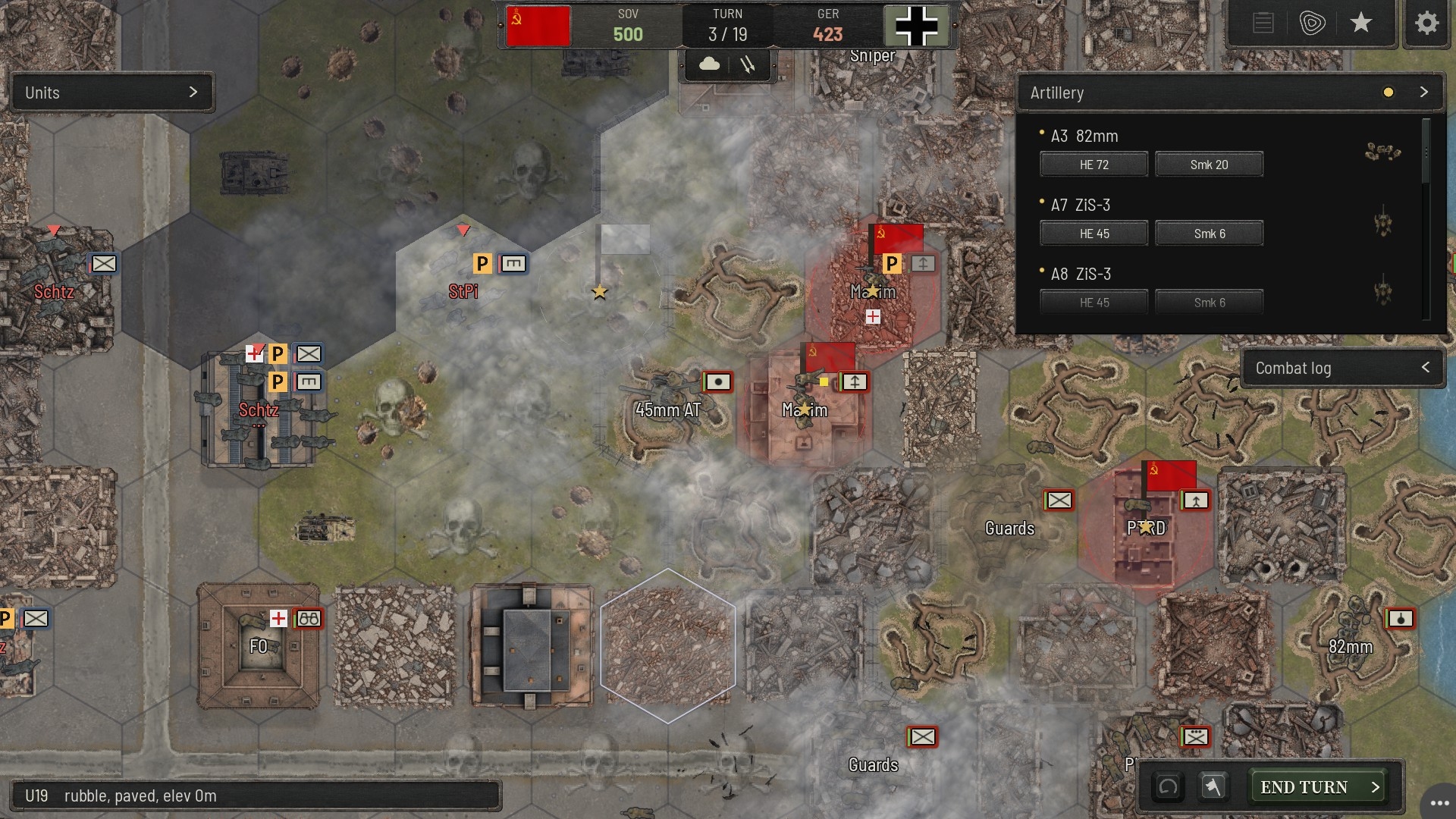
Looking for a multi-front, turn-based equivalent to Close Combat or Firefight? This is a game you definitely need to try. Although Gyr hasn’t skimped on sophisticated subtleties (more on which in a moment), SC plays swiftly and is bally easy to learn. Phaseless turns and stepless units help keep cardboard comparisons at bay. Formation movement means large scenarios are never laborious scenarios.
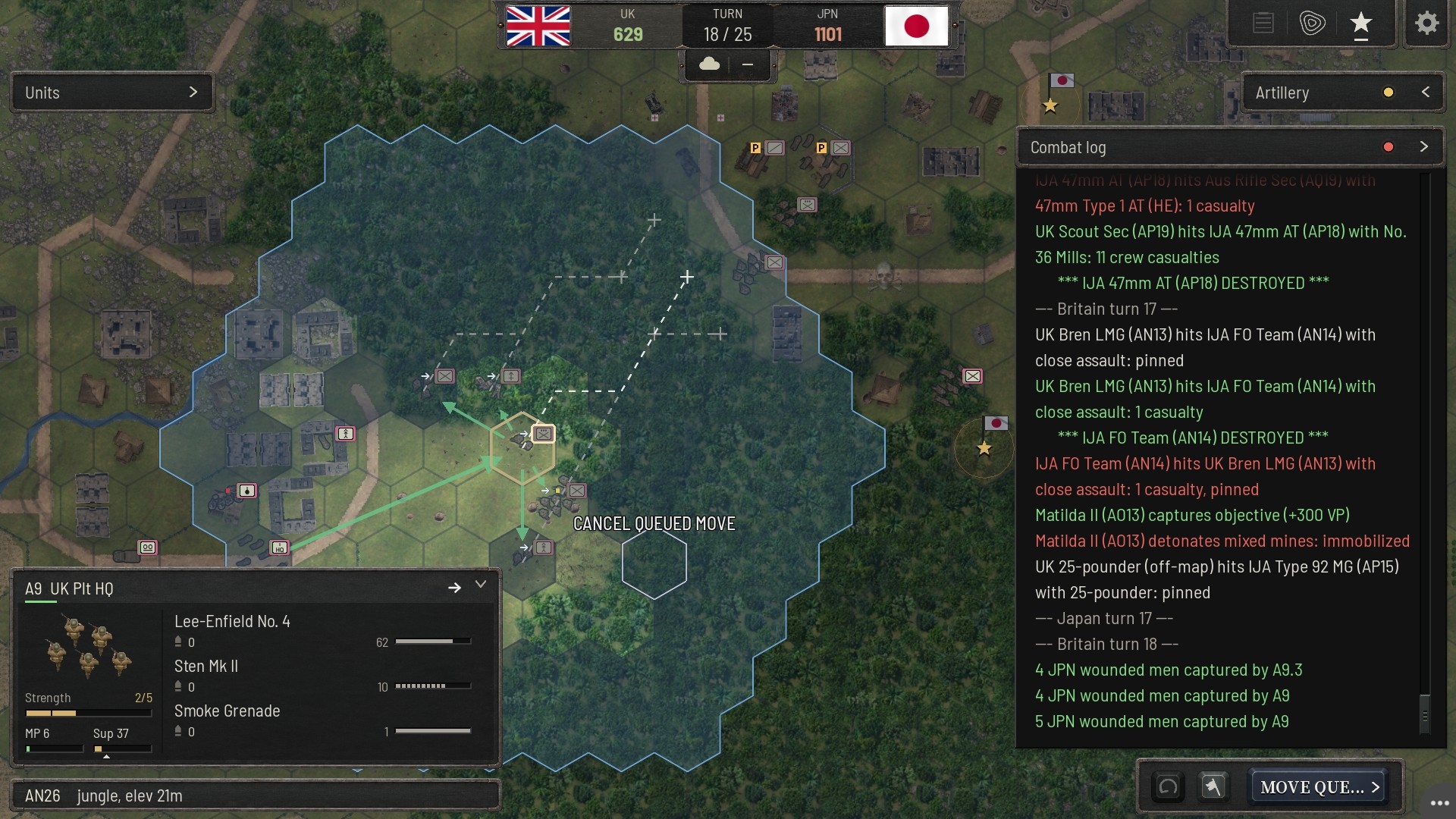
Although infantry squads don’t appear to be able to split, weapon scavenge, and occupy specific floors in buildings (Right now all buildings in the game seem to be, for all intents and purposes, single storey) they can do fancy stuff like conduct recon by fire, clear obstacles, abandon and pick up wounded individuals, and attack targets with player-selected weapons. Special actions like these are all accessed via a super-sensible right-click menu.
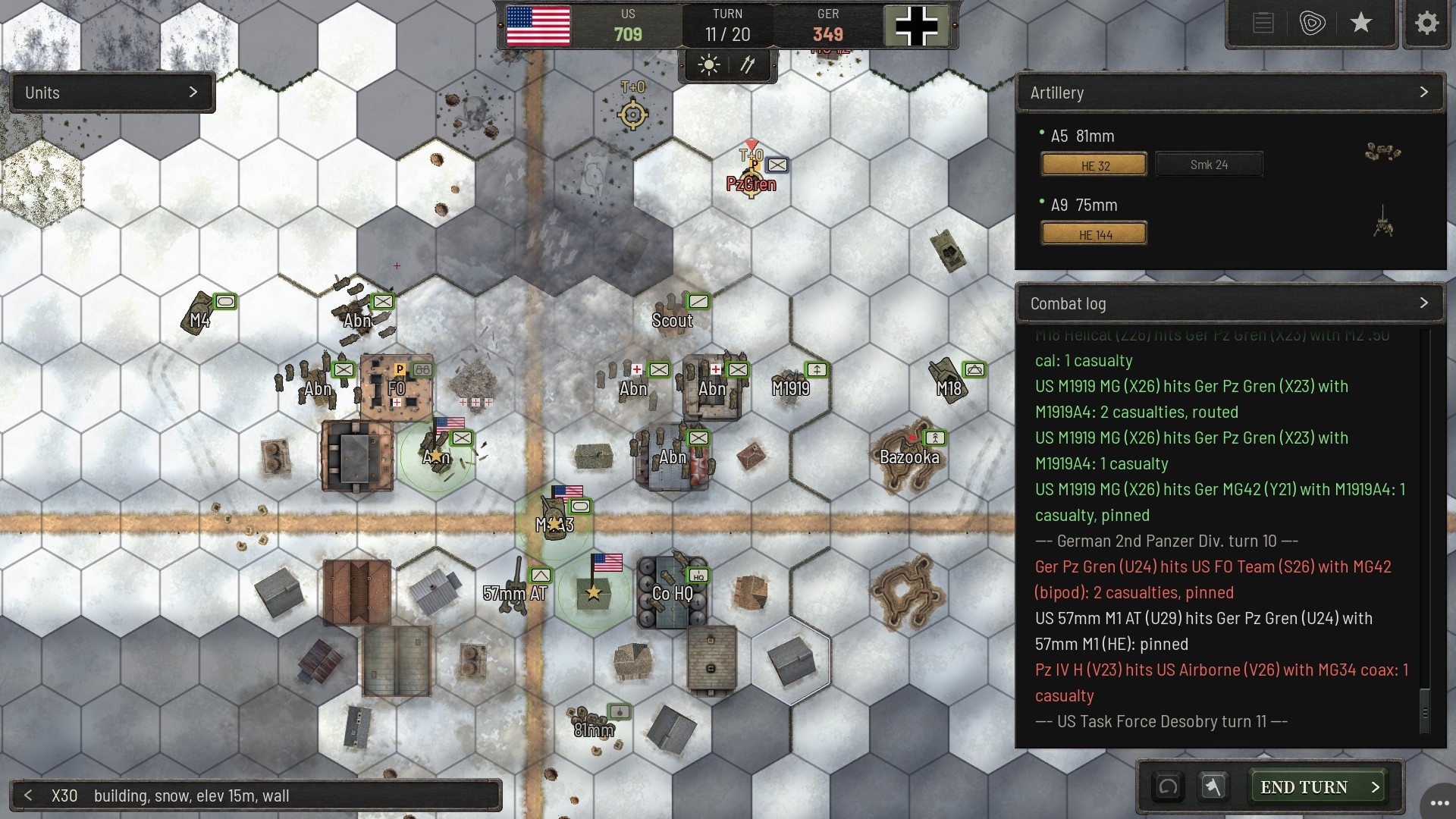
Apart from a couple of incidents in my last engagement when I lost Matilda IIs to frontal penetrations from 47mm AT guns, I’ve witnessed no fishy firepower results. If you’re accustomed to Squad Battles skirmishes, small arms attacks may feel slightly too deadly, but personally I find the game’s lethality and pin and rout thresholds well judged.
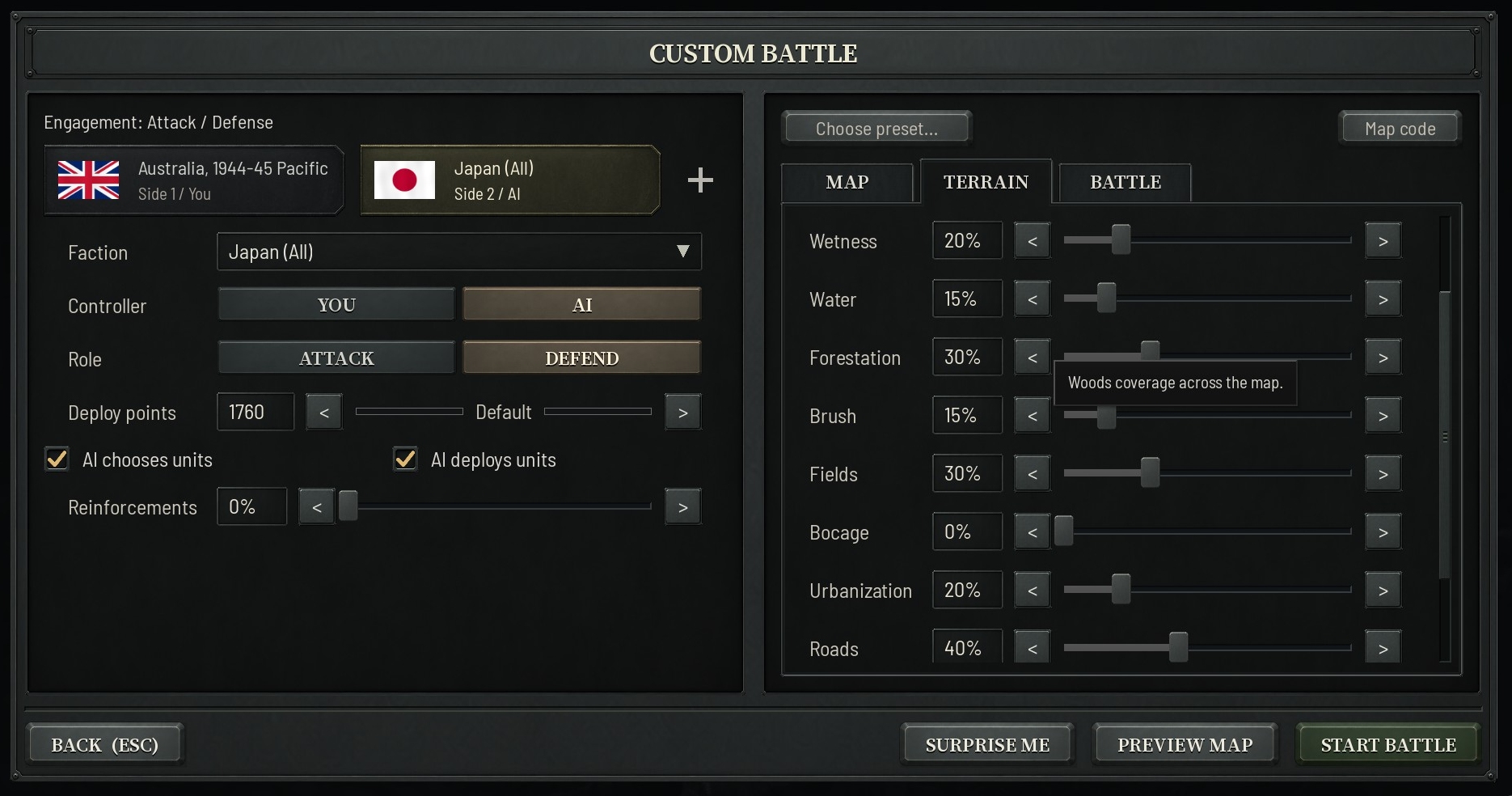
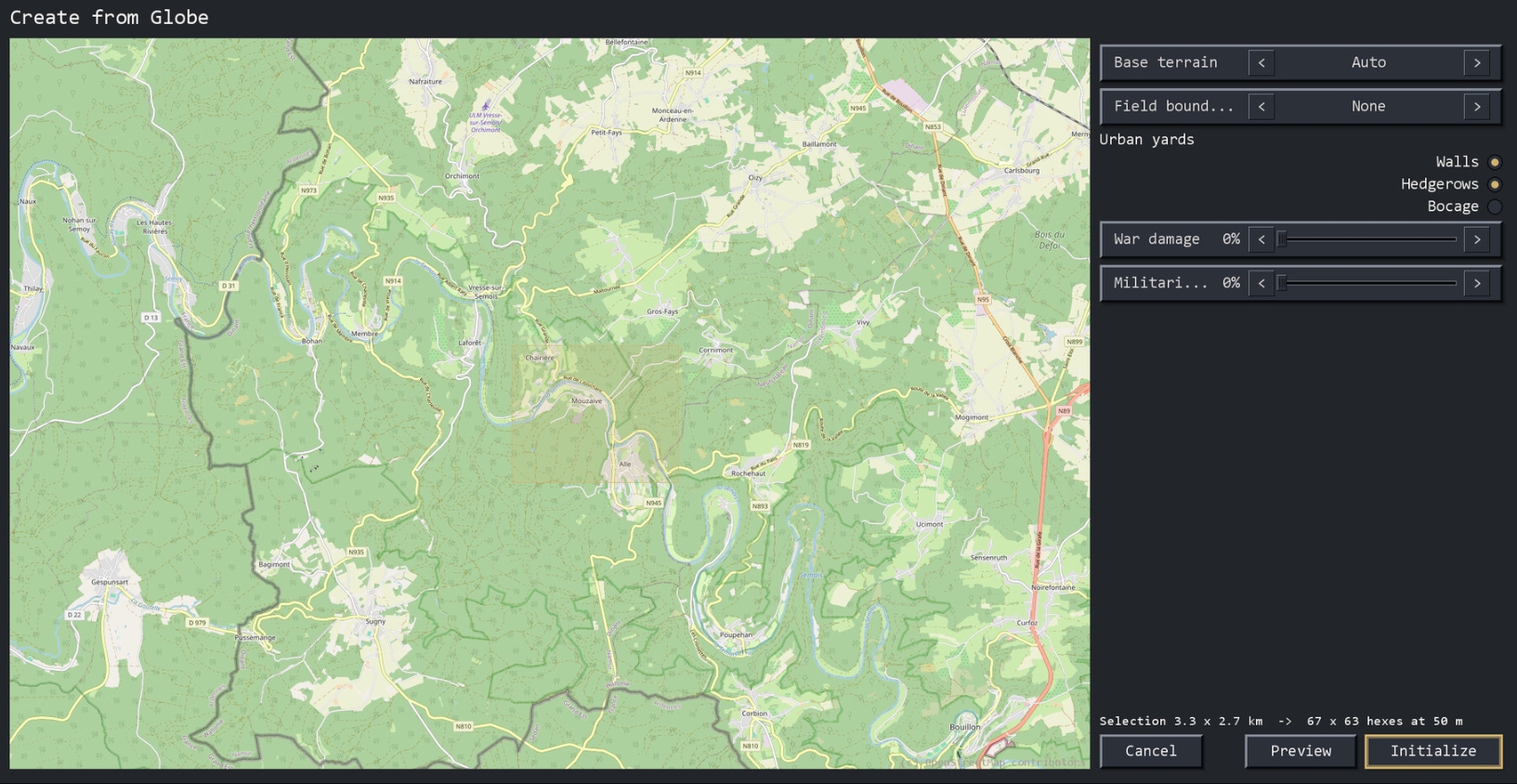
The preview build includes eighteen historical scenarios (campaigns, like multiplayer matches, are ‘coming soon’) and a peach of a skirmish generator. Setting up plausible custom battles in randomly generated or pre-prepared European, PTO, or North African locations is simple. By the look of it, fashioning recognisable venues by hand is going to be dead easy too.
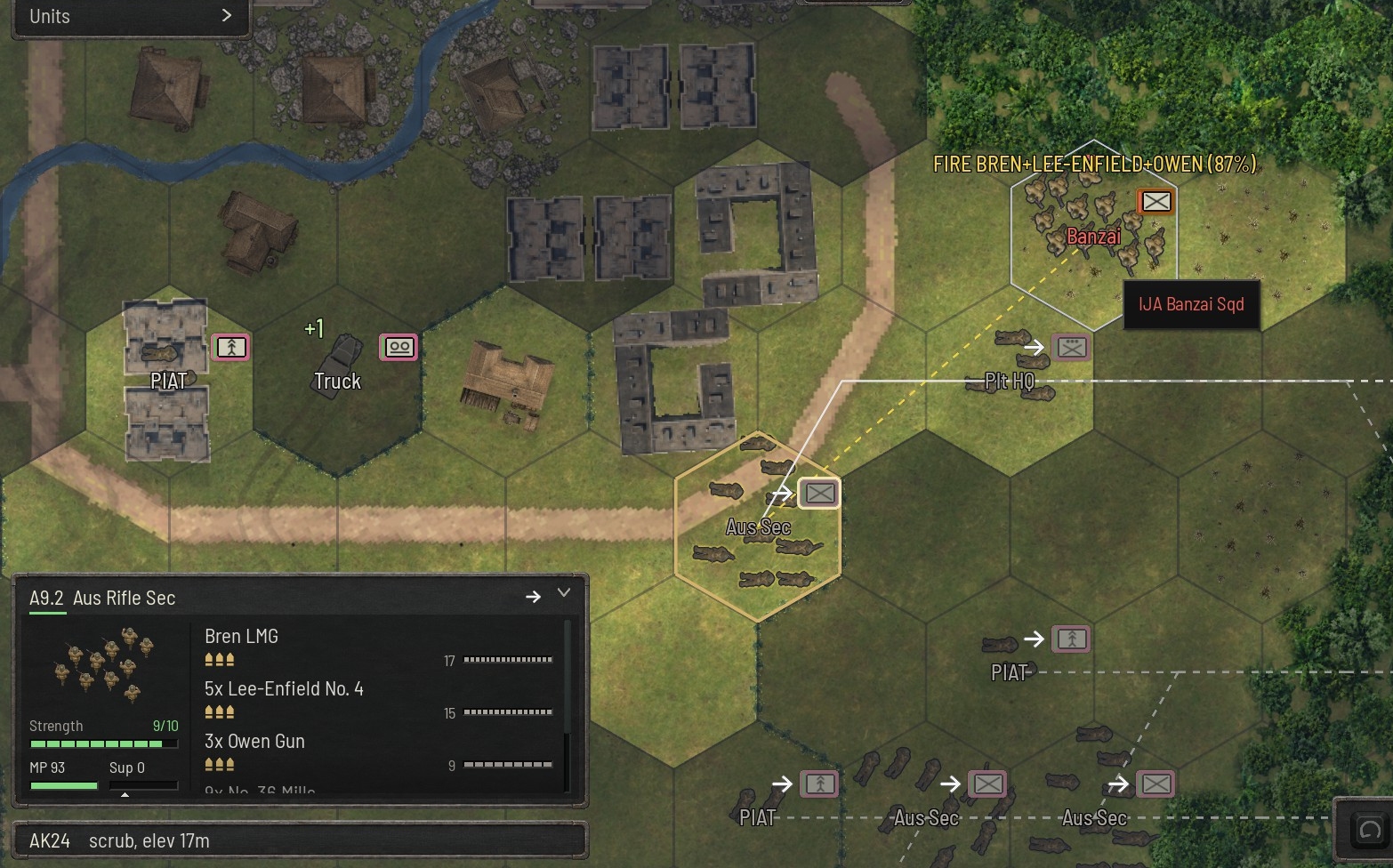
I like what I’ve seen of the AI so far. Having taken the role of the attacker in my last scrap, I really wasn’t expecting to find myself on the receiving end of determined enemy counter-attacks. My foe’s willingness to come forward was undoubtedly a consequence of nationality. Reassuringly, German and Soviet defenders don’t seem anywhere near as keen to advance as Japanese troops do.
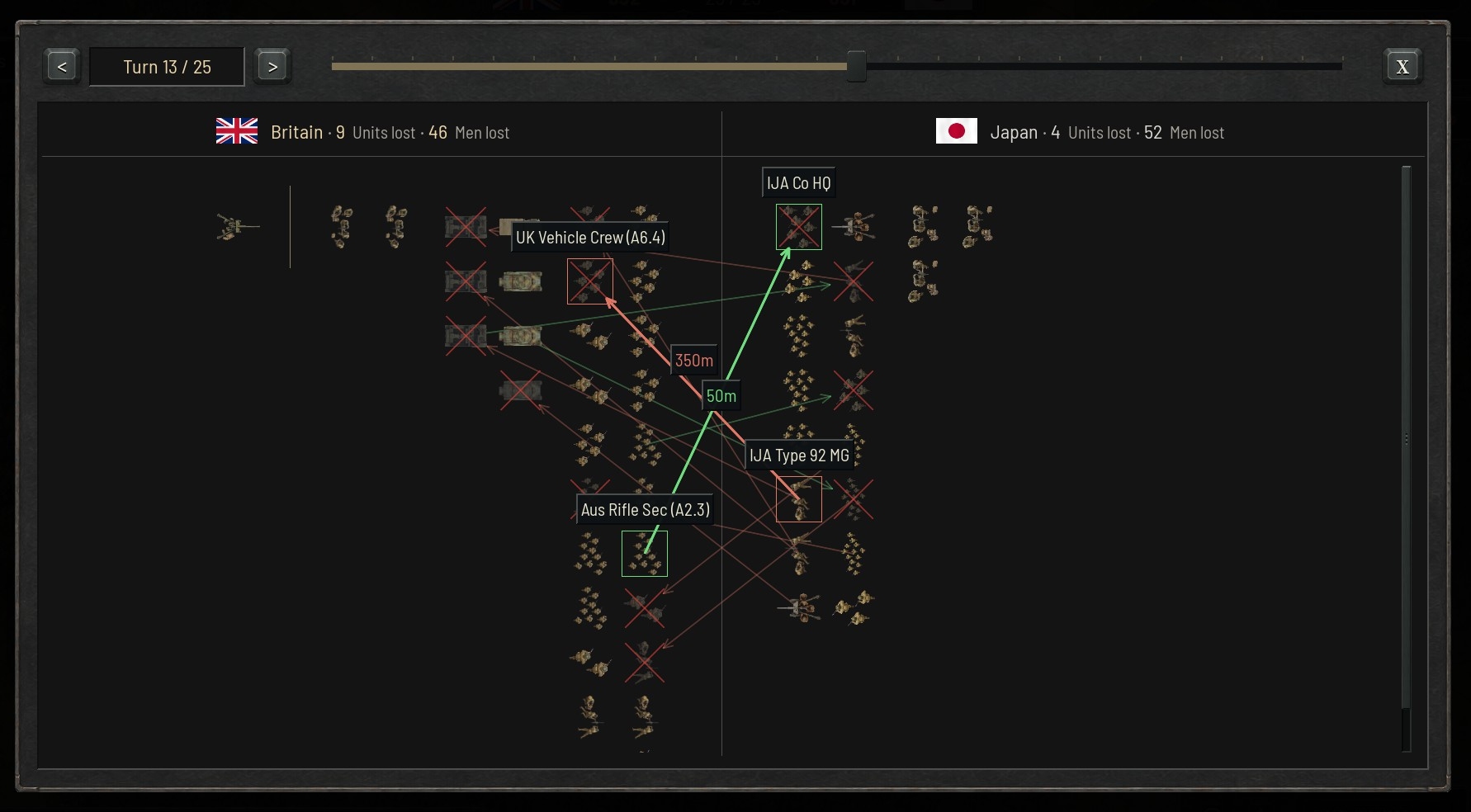
SC isn’t wholly reliant on pyrotechnic effects, units status icons, and drifting casualty digits for communicating the consequences and drama of combat. If you miss something during a busy turn, the combat log usually does a great job of explaining what went on. Full battle replays aren’t available. However, thanks to an ingenious debrief display, once the shooting has stopped it’s possible to follow the fortunes of particular units, and observe how the tide of battle ebbed and flowed.
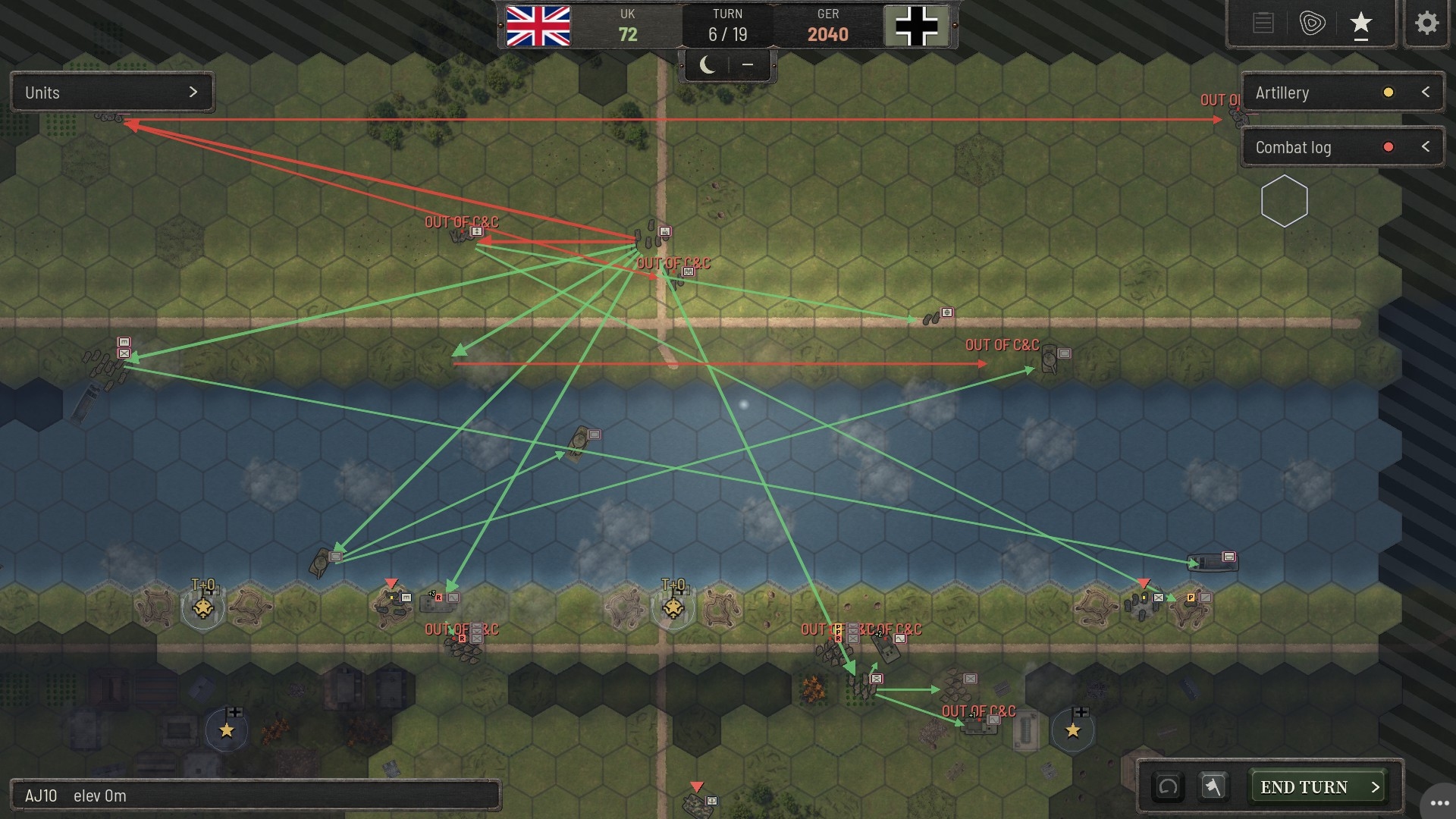
It will be interesting to see how Gyr position their creation, and how they respond to the tsunami of interest that is undoubtedly headed their way. Competitively priced and carefully nurtured, Steel Company has, I reckon, the potential to out-sell many most of its hexed contemporaries.
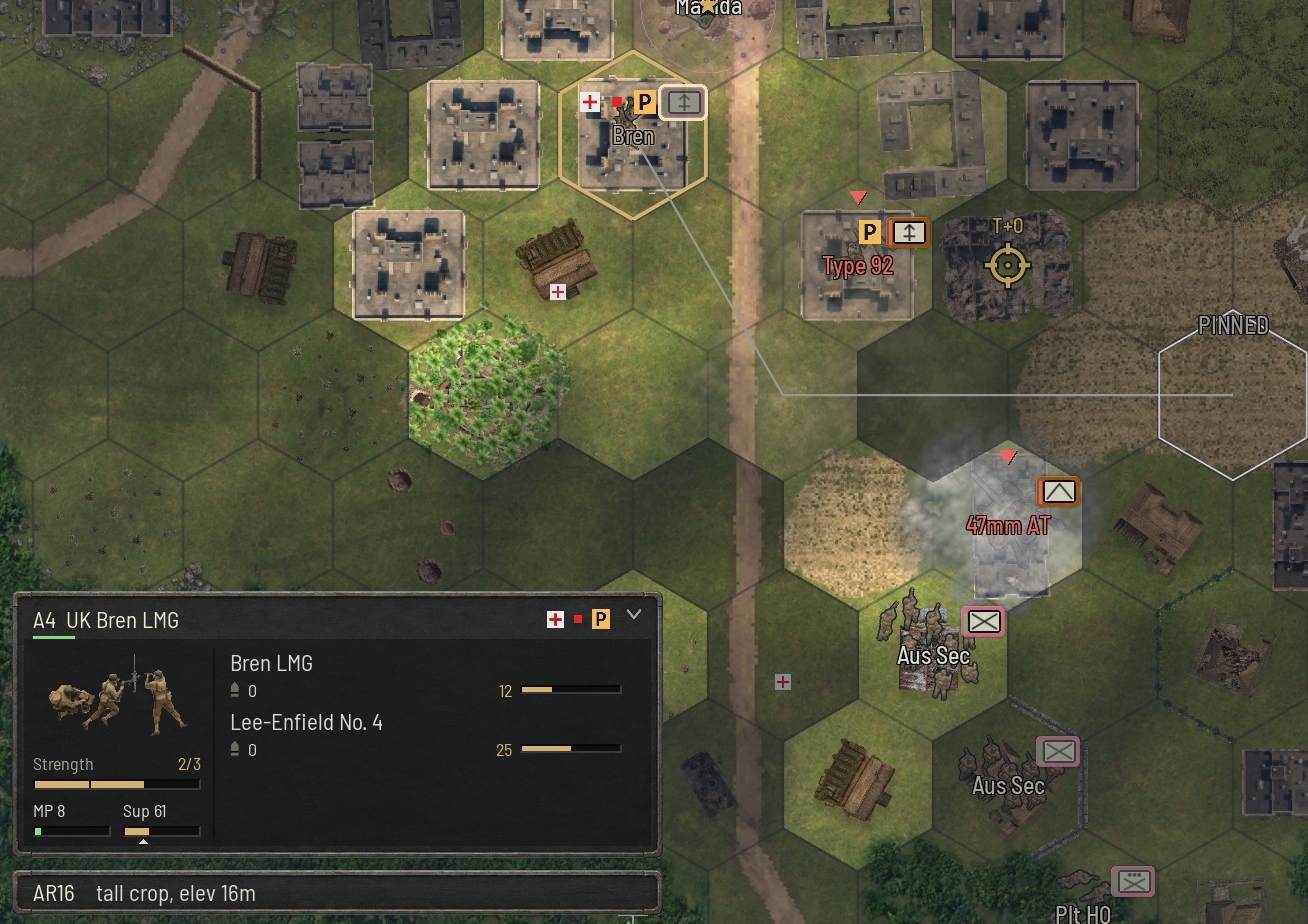
Yeah, I’ll be keeping an eye on this one. I’ll be honest though, SP:WaW came out 26 years ago and this looks the same visually!
Why do most wargames refuse to update graphics?
Vizulaization is a huge effort and is very time consuming, especially for small teams. Normally, wargames have a very niche market, not only due to representation, but also due to complexity – even the most beautiful wargames don’t get much more interest and sales than the simplest ones.
So, small teams either have to make visual stuff as simple as they can get away with or rack up the prices to the sky. Especially, if their games have a lot of content. Like, imagine creating eye-candy for game that tries to contain every unit possible from the whole of WWII, if not more. No mainstream game has to produce so much content.
AND, the other extremely important part, relatively simplistic (on the surface, at least) graphics that were created for readability are way more important than beauty, if they are reducing visual clutter. Like, you can claim that this game is not better than SP:WaW visually, but it actually is. SP:WaW makes my eyes hurt from trying to discern what’s what and where while smashing my nose against the screen; at the same time Steel Company is easy to read and play leaned back in my chair and smiling on the very same monitor.
And, goddam, Steel Company, even in this early access demo state, is light years ahead in terms of GUI and controls. SP games make me curse every time I try to achieve anything other than the simplest of commands. SC plays as a modern game in all regards
Well, you are explaining this to someone who had professionally made video games for 30 years and currently is director of a company you are describing :).
Actually, outsourcing unit art or GUI is not actually that expensive with decent direction, but it is likely a skillset not contained within the actual devs (Artists and wargamers don’t exactly line up very often) and they think it is more expensive than it is.
If it was so expensive then no other genre of indie game would have decent art either, but it is something wargames always skimp on.
These visuals are nowhere near 26 years better than SP:WaW, yes they are better but at a glance they are similar.
Steel Panthers. Now that’s a name I’ve not heard in a long time. A long time.
(starts booting up Steel Panthers in the background)
If Steel Company scratches the same itch with a more modern presentation, I wish them the best of luck!